


Introduction
Vitamin B12 is one of the most important nutrients required by the human body. It plays a major role in maintaining healthy nerve cells, supporting brain function, producing DNA, and forming red blood cells. Since the body cannot produce this vitamin naturally, people need to obtain it through their diet. Understanding b12 rich foods can help individuals maintain proper health and avoid nutritional deficiencies.
A lack of vitamin B12 may result in fatigue, weakness, memory problems, numbness in the hands and feet, and even mood changes. Certain groups, including older adults, vegetarians, and vegans, are more likely to experience low B12 levels. Incorporating the right foods into daily meals is an effective way to meet nutritional requirements. This article explores the importance of vitamin B12, its benefits, and the best food sources that can naturally support overall well-being.
Why Vitamin B12 Is Important
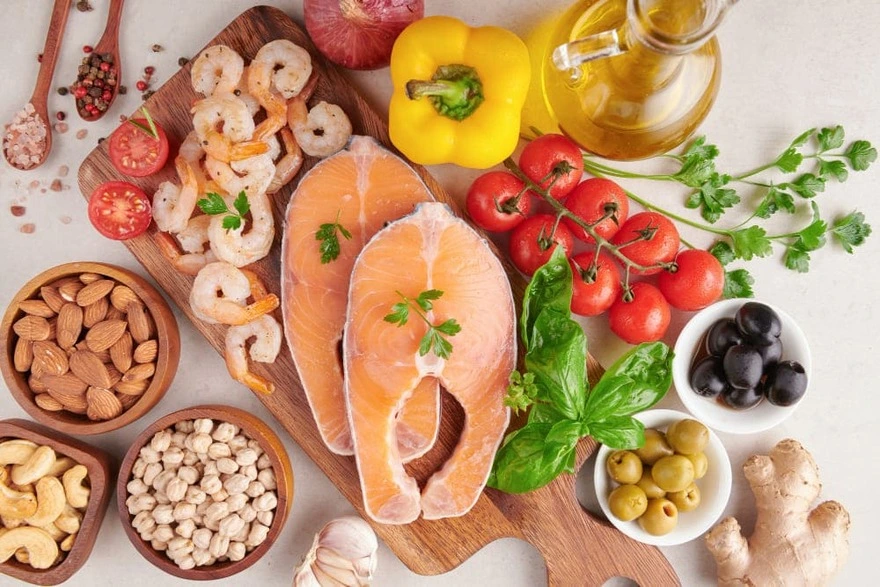
Vitamin B12 contributes to several essential functions within the body. One of its primary roles is supporting the formation of healthy red blood cells. Without adequate amounts of this nutrient, the body may struggle to transport oxygen efficiently, leading to tiredness and weakness.
Additionally, vitamin B12 helps maintain the protective covering around nerves, ensuring proper communication between the brain and the rest of the body. Cognitive function, concentration, and memory also depend on sufficient levels of this vitamin. It participates in DNA synthesis, which is vital for cell growth and repair.
Because the body stores vitamin B12 in limited amounts, regular dietary intake remains important. Consuming b12 rich foods consistently can contribute to sustained energy levels, improved neurological health, and better overall physical performance throughout different stages of life.
Animal-Based B12 Rich Foods
Animal products are considered the most reliable dietary sources of vitamin B12. Meat, poultry, seafood, eggs, and dairy products naturally contain significant amounts of this nutrient. Including these foods in balanced portions can help meet daily requirements effectively.
Beef liver is often regarded as one of the richest sources of vitamin B12. Fish varieties such as salmon, tuna, trout, and sardines also provide excellent amounts while offering heart-healthy omega-3 fatty acids. Poultry products, including chicken and turkey, contribute moderate levels of the vitamin.
Eggs and dairy foods such as milk, yogurt, and cheese can further enhance B12 intake. Individuals who consume animal products regularly may find it easier to maintain healthy vitamin levels. Selecting a variety of b12 rich foods ensures broader nutritional benefits while supporting long-term health goals.
Seafood as an Excellent Source of Vitamin B12
Seafood deserves special attention because of its impressive nutritional profile. Many types of fish and shellfish contain substantial amounts of vitamin B12 along with other essential nutrients. These foods support cardiovascular health, brain function, and immune strength.
Clams are among the highest natural sources of vitamin B12. Sardines, mackerel, salmon, and tuna also provide significant amounts suitable for meeting daily recommendations. Regular consumption of seafood can help reduce the risk of deficiency while supplying beneficial proteins and minerals.
For individuals seeking nutrient-dense meal options, seafood represents a practical choice. Grilled fish, seafood salads, and homemade soups can make nutritious additions to weekly menus. Incorporating these b12 rich foods into meal planning may contribute to enhanced vitality and improved overall wellness.
Dairy Products and Eggs for Daily Nutrition
Dairy products and eggs offer convenient ways to increase vitamin B12 intake, especially for individuals who do not frequently consume meat or seafood. These foods fit easily into breakfast, snacks, and various recipes throughout the day.
Milk provides vitamin B12 along with calcium and protein, supporting bone strength and muscle health. Yogurt contributes probiotics that benefit digestive wellness while supplying moderate B12 levels. Cheese varieties can complement meals while adding valuable nutrients.
Eggs contain vitamin B12 primarily within the yolk. Including boiled eggs, omelets, or scrambled preparations can enhance dietary diversity and nutritional balance. Although these foods may not match the vitamin concentration found in organ meats or shellfish, they remain important b12 rich foods for maintaining adequate intake through everyday eating habits.
B12 Options for Vegetarians and Vegans
Vegetarians and vegans may face greater challenges in obtaining sufficient vitamin B12 because plant foods generally lack natural sources of this nutrient. However, fortified products and supplements can help bridge the nutritional gap effectively.
Fortified breakfast cereals often contain added vitamin B12, making them a practical option for those following plant-based lifestyles. Some plant-based milk alternatives, including fortified soy and almond beverages, may also contribute meaningful amounts. Nutritional yeast products enriched with B12 are increasingly popular among vegan consumers.
Reading food labels becomes particularly important when selecting fortified products. Healthcare professionals may recommend supplements when dietary sources prove insufficient. Awareness of available alternatives allows individuals to incorporate b12 rich foods into their routines while maintaining their preferred eating patterns.
Signs of Vitamin B12 Deficiency
Recognizing the symptoms of vitamin B12 deficiency is essential for early intervention. Since the effects can develop gradually, many individuals may overlook the warning signs until they become more noticeable.
Persistent fatigue remains one of the most common symptoms. People may also experience weakness, dizziness, shortness of breath, or pale skin due to impaired red blood cell production. Neurological symptoms such as tingling sensations, numbness, balance difficulties, and memory problems can occur when deficiency persists over time.
Mood disturbances, including irritability and depression, have also been associated with inadequate vitamin B12 levels. Individuals experiencing these concerns should consult healthcare providers for appropriate evaluation. Increasing the intake of b12 rich foods may support recovery when combined with professional guidance and personalized nutritional recommendations.
Tips for Including More Vitamin B12 in Your Diet

Improving vitamin B12 intake does not necessarily require major dietary changes. Small adjustments can significantly contribute to meeting daily nutritional needs. Planning meals with variety and balance remains the key to long-term success.
Starting the day with fortified cereals, milk, or eggs can establish a strong nutritional foundation. Incorporating fish into weekly meal plans offers both vitamin B12 and healthy fats. Dairy products can serve as convenient snacks or additions to recipes.
For individuals following vegetarian or vegan lifestyles, selecting fortified products consistently is essential. Consulting healthcare professionals regarding supplementation may provide additional reassurance. Developing mindful eating habits centered around b12 rich foods supports sustained energy, cognitive function, and overall health outcomes across different age groups.
Conclusion
Vitamin B12 is indispensable for maintaining healthy nerves, supporting red blood cell production, and promoting optimal brain function. Since the body depends on dietary intake to obtain this nutrient, understanding the best food sources becomes increasingly important.
Animal products such as meat, fish, eggs, and dairy naturally provide significant amounts of vitamin B12. Fortified foods offer valuable alternatives for those following plant-based diets. Recognizing deficiency symptoms and adopting proactive nutritional strategies can help individuals protect their long-term health.
Making informed food choices does not have to be complicated. By prioritizing b12 rich foods within a balanced eating pattern, people can support their energy levels, cognitive performance, and overall quality of life. Consistent attention to nutritional needs today can contribute to a healthier future for years to come.