


Introduction
Tooth pain can disrupt your daily life in ways that few other discomforts can. Whether it’s a dull ache that lingers throughout the day or a sharp pain that strikes unexpectedly, dental discomfort often demands immediate attention. While visiting a dentist remains the most important step in addressing the underlying cause, many people look for temporary relief before they can receive professional care.
One of the most common solutions people seek is teeth pain medicine, which can help manage symptoms and improve comfort until treatment is available. However, understanding the causes of tooth pain, the available treatment options, and the safest methods for relief is essential to making informed decisions.
In this comprehensive guide, we’ll explore the causes of toothaches, different medications and remedies, prevention strategies, and expert recommendations to help you deal with dental pain effectively.
Understanding Tooth Pain and Its Causes
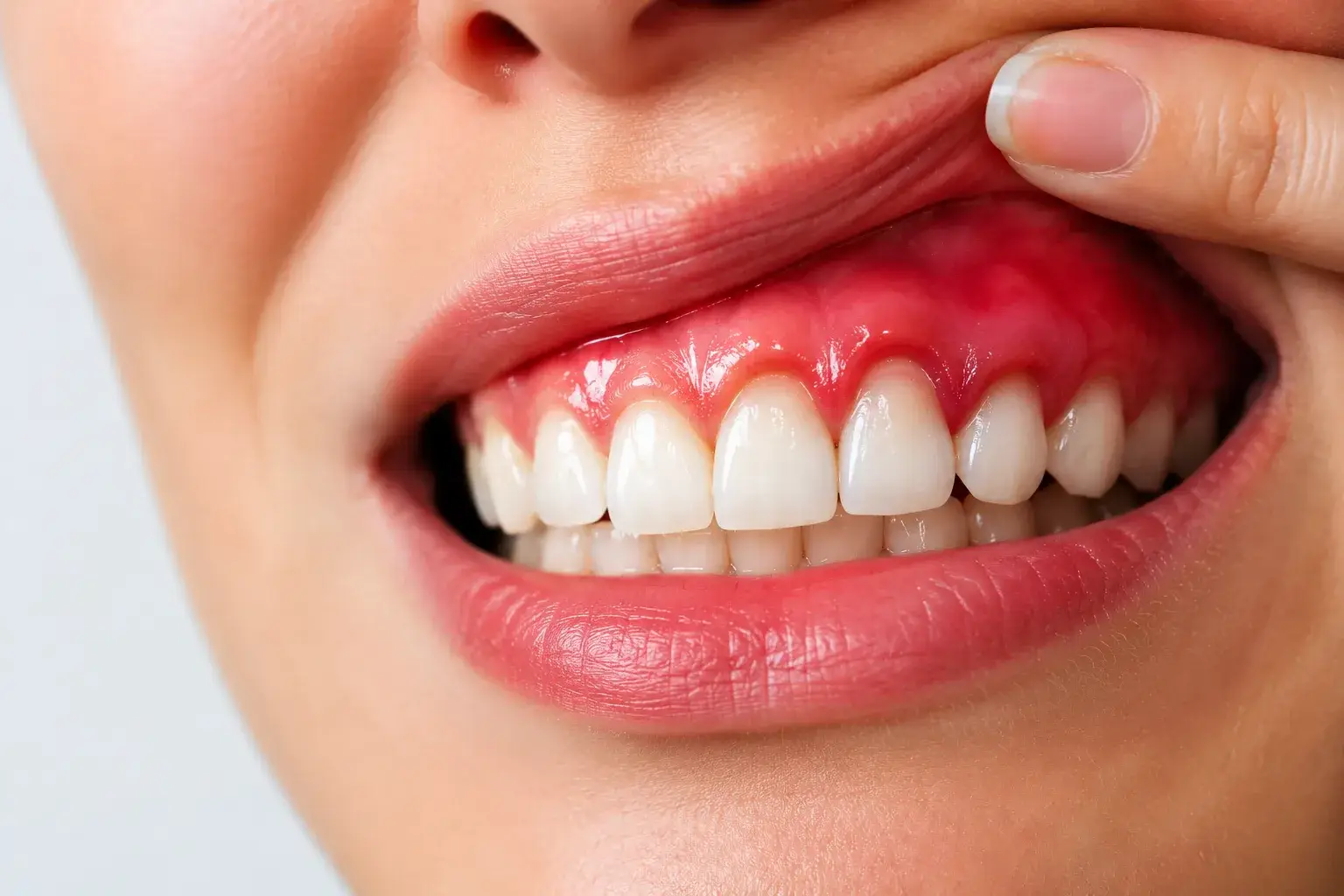
Tooth pain is not a condition itself but rather a symptom of an underlying dental issue. The intensity and nature of the pain often provide clues about its source.
A toothache may occur due to tooth decay, gum disease, cracked teeth, dental abscesses, exposed tooth roots, or even sinus infections. When bacteria penetrate the tooth enamel and reach the inner layers, inflammation develops, leading to sensitivity and pain.
The severity of tooth pain varies from person to person. Some individuals experience mild discomfort when consuming hot or cold foods, while others may suffer from severe throbbing pain that interferes with eating, sleeping, and speaking.
Ignoring persistent tooth pain can lead to complications. Early diagnosis and treatment are crucial to preventing infections and preserving oral health.
Common Symptoms Associated With Toothaches
Dental pain rarely appears alone. Many people experience additional symptoms that help identify the root cause.
Common signs include:
- Persistent aching around a tooth
- Sensitivity to hot or cold foods
- Swelling of the gums
- Pain while chewing
- Bad breath
- Fever in cases of infection
- Facial swelling
- Bleeding gums
These symptoms often indicate that professional dental care is necessary. While teeth pain medicine may provide temporary comfort, it should not replace proper diagnosis and treatment.
Why Tooth Pain Should Never Be Ignored
Many people delay dental appointments because the pain temporarily subsides. Unfortunately, the absence of pain doesn’t always mean the problem has disappeared.
Dental infections can spread to surrounding tissues and even enter the bloodstream in severe cases. A small cavity today may become a root canal procedure tomorrow if left untreated.
Seeking treatment early often results in simpler, less expensive procedures and better outcomes.
Additionally, untreated tooth pain can affect nutrition, sleep quality, concentration, and overall well-being.
The Role of Teeth Pain Medicine in Pain Management
When discomfort becomes difficult to tolerate, many people rely on teeth pain medicine to reduce inflammation and alleviate pain.
Pain-relieving medications work by targeting the body’s pain signals or reducing inflammation around the affected area. While these medications do not cure the underlying problem, they can significantly improve comfort.
The effectiveness of medication depends on the cause of the pain. Mild sensitivity may respond quickly, whereas severe infections often require additional dental treatment.
Using medications responsibly and according to recommended guidelines is important for safety and effectiveness.
Types of Medications Used for Tooth Pain Relief
Over-the-Counter Pain Relievers
Many individuals begin with over-the-counter medications when a toothache develops.
Common options include anti-inflammatory medications and pain relievers that reduce swelling and discomfort. These products are widely available and often provide temporary relief for mild to moderate dental pain.
For short-term management, teeth pain medicine from local pharmacies can help control symptoms until a dental appointment becomes available.
Prescription Medications
In cases involving severe infections or extensive dental procedures, dentists may prescribe stronger medications.
Prescription options may include:
- Stronger pain relievers
- Anti-inflammatory medications
- Antibiotics for infections
These medications should only be used under professional supervision.
Topical Dental Gels
Dental gels can provide localized pain relief by temporarily numbing the affected area. These products are especially helpful for gum irritation and minor oral discomfort.
While useful, they generally offer shorter-lasting relief compared to oral medications.
Natural Remedies That May Complement Treatment
Many people prefer combining traditional treatments with natural remedies. Although these methods do not replace professional care, they can provide additional comfort.
Saltwater Rinse
A warm saltwater rinse helps reduce bacteria and soothe irritated tissues. This simple remedy remains one of the most recommended home treatments for mild dental discomfort.
Cold Compress
Applying a cold compress to the outside of the cheek may help reduce swelling and numb pain temporarily.
Clove Oil
Clove oil contains natural compounds that have mild numbing properties. Applying a small amount to the affected area may offer temporary relief.
Peppermint Tea Bags
Used tea bags cooled to a comfortable temperature may help soothe sensitive gums and reduce irritation.
Natural remedies can complement teeth pain medicine, but they should not be viewed as permanent solutions.
Comparison of Common Tooth Pain Relief Options
| Treatment Option | Purpose | Speed of Relief | Duration |
|---|---|---|---|
| Over-the-counter medication | Pain and inflammation reduction | Fast | Moderate |
| Prescription medication | Severe pain management | Fast | Long |
| Topical dental gel | Local numbing effect | Very Fast | Short |
| Saltwater rinse | Reduce irritation | Moderate | Short |
| Cold compress | Reduce swelling | Fast | Short |
| Clove oil | Temporary numbing | Moderate | Short |
This comparison helps patients understand which approaches may be suitable depending on the severity of their symptoms.
When You Need Immediate Dental Attention
While some discomfort can wait for a routine appointment, certain symptoms require urgent care.
Seek immediate dental attention if you experience:
- Severe swelling of the face
- Difficulty breathing
- Persistent fever
- Pus around the gums
- Uncontrolled bleeding
- Intense pain lasting more than two days
Even if teeth pain medicine reduces discomfort, these symptoms may indicate a serious infection requiring prompt treatment.
Preventing Future Toothaches
Prevention is always more effective than treatment. Good oral hygiene habits can significantly reduce the risk of dental problems.
Brush Properly Twice Daily
Using fluoride toothpaste and proper brushing techniques helps remove plaque and prevent decay.
Floss Every Day
Flossing removes food particles and bacteria from areas your toothbrush cannot reach.
Limit Sugary Foods
Excessive sugar consumption encourages bacterial growth and cavity formation.
Stay Hydrated
Drinking water helps wash away food particles and supports saliva production.
Visit Your Dentist Regularly
Routine examinations allow dentists to identify and address issues before they become painful.
Consistent preventive care reduces the likelihood of needing teeth pain medicine frequently.
How Dentists Treat the Root Cause of Tooth Pain
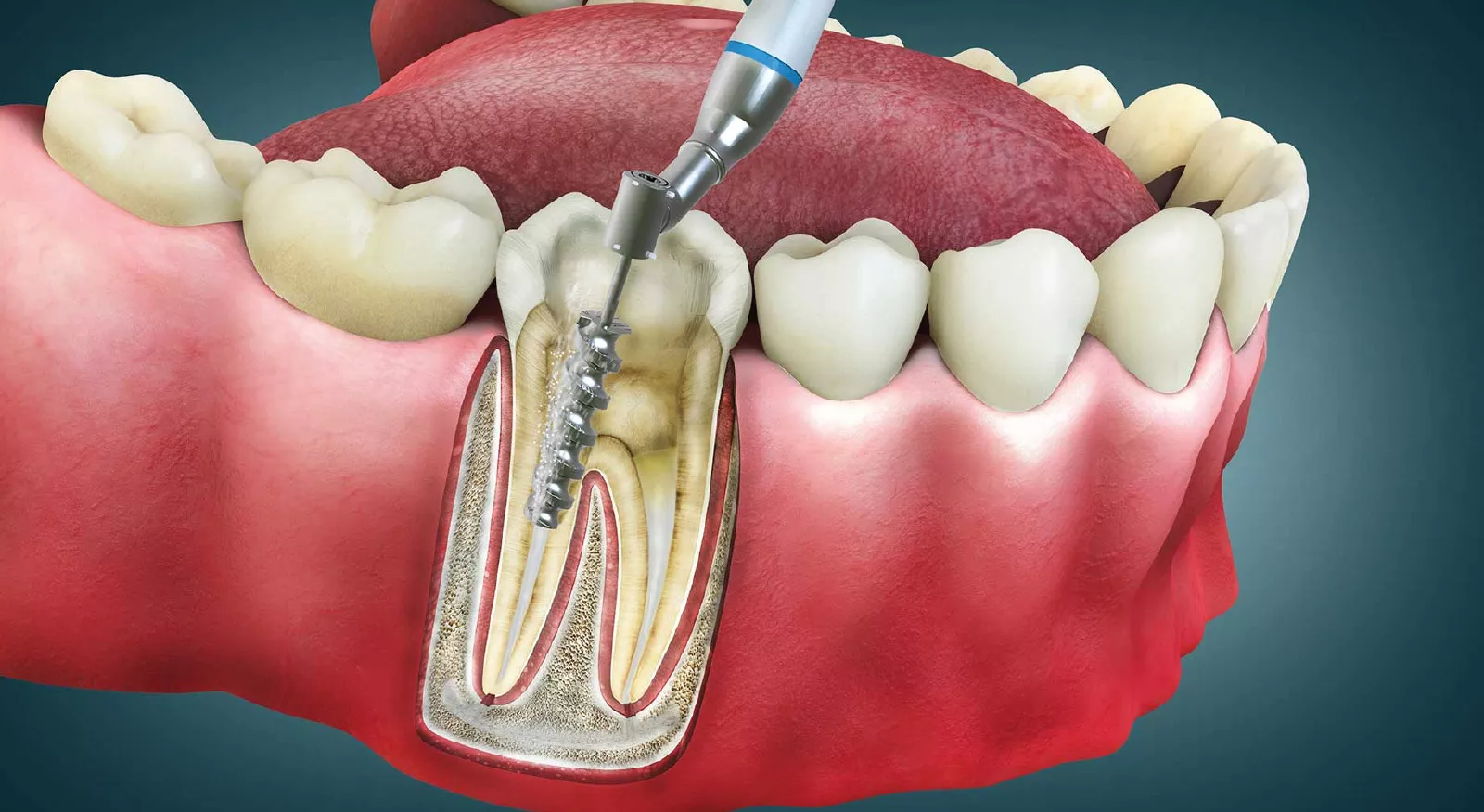
Managing symptoms is only part of the solution. Dental professionals focus on eliminating the source of pain.
Treatment options may include:
Dental Fillings
When cavities are detected early, fillings restore damaged tooth structure and prevent further decay.
Root Canal Therapy
If infection reaches the tooth pulp, a root canal may be necessary to save the tooth and eliminate pain.
Dental Crowns
Crowns strengthen damaged teeth and restore functionality.
Gum Disease Treatment
Professional cleanings and periodontal treatments help address gum-related pain.
Tooth Extraction
In severe cases where a tooth cannot be saved, extraction may be recommended.
Even after treatment, dentists may suggest temporary teeth pain medicine to support recovery.
Understanding Tooth Sensitivity Versus Tooth Pain
Many people confuse sensitivity with actual tooth pain.
Sensitivity typically occurs when consuming hot, cold, sweet, or acidic foods. It often results from enamel wear or gum recession.
True tooth pain tends to be more persistent and may indicate decay, infection, or structural damage.
Recognizing the difference helps individuals seek appropriate treatment sooner.
Special Considerations for Children and Older Adults
Children and older adults often require special attention when managing dental pain.
Children may struggle to describe their symptoms accurately, making professional evaluation especially important.
Older adults may experience tooth pain due to gum recession, medication-related dry mouth, or aging dental work.
The use of teeth pain medicine should always follow age-appropriate recommendations and professional guidance.
Choosing the Right Pain Relief Approach
The best treatment depends on the cause and severity of symptoms.
For mild discomfort, home remedies and basic pain relief measures may be sufficient. Moderate to severe pain often requires a combination of professional care and medication.
Before selecting any teeth pain medicine, consider factors such as age, medical history, allergies, and existing medications.
Consulting a healthcare professional remains the safest way to determine the most appropriate option.
Key Takeaways
- Tooth pain often signals an underlying dental problem that requires attention.
- Cavities, infections, gum disease, and cracked teeth are common causes.
- Teeth pain medicine can provide temporary relief but does not cure the source of the problem.
- Home remedies such as saltwater rinses and cold compresses may offer additional comfort.
- Persistent or severe symptoms require professional dental evaluation.
- Preventive dental care is the best way to avoid future toothaches.
- Early treatment often leads to better outcomes and lower costs.
Frequently Asked Questions
1. What is the most effective teeth pain medicine for temporary relief?
The effectiveness depends on the cause of the pain. Anti-inflammatory medications often help reduce both pain and swelling, but professional advice is recommended.
2. Can tooth pain go away without treatment?
Pain may temporarily disappear, but the underlying issue often remains. Dental evaluation is important even if symptoms improve.
3. Are home remedies enough to treat a toothache?
Home remedies may provide temporary relief, but they do not address infections, cavities, or structural damage.
4. How long should I wait before seeing a dentist?
If pain lasts longer than one or two days, schedule a dental appointment as soon as possible.
5. Can stress cause tooth pain?
Stress can contribute to teeth grinding and jaw tension, which may result in dental discomfort.
6. Is tooth sensitivity the same as a toothache?
No. Sensitivity is usually triggered by specific foods or temperatures, while a toothache tends to be persistent and more severe.
7. When is tooth pain considered an emergency?
Severe swelling, fever, breathing difficulty, or signs of infection require immediate dental attention.
Conclusion
Tooth pain is more than an inconvenience—it is often a warning sign that something requires attention. While various forms of teeth pain medicine can provide temporary relief and improve comfort, lasting resolution depends on identifying and treating the underlying cause. From cavities and gum disease to infections and damaged teeth, numerous conditions can trigger dental discomfort.
Maintaining good oral hygiene, scheduling regular dental visits, and seeking prompt treatment when symptoms arise are the most effective ways to protect your oral health. By combining preventive care with informed treatment choices, you can minimize discomfort, preserve your teeth, and enjoy a healthier smile for years to come.