


Introduction
A bright, healthy smile is often one of the first things people notice. However, maintaining excellent oral health requires more than simply brushing twice a day. One common dental issue that affects millions of people worldwide is tartar buildup. Understanding how to remove tartar from teeth is essential for preventing cavities, gum disease, and other oral health complications.
Tartar, also known as dental calculus, forms when plaque remains on the teeth for an extended period and hardens. Unlike plaque, which can be removed through regular brushing and flossing, tartar becomes firmly attached to the teeth and usually requires professional intervention. If left untreated, tartar can lead to discoloration, bad breath, gum inflammation, and even tooth loss.
In this comprehensive guide, we will explore what tartar is, why it develops, professional and home-based treatment options, preventive measures, and long-term strategies for maintaining excellent oral hygiene. By the end of this article, you’ll have a complete understanding of how to remove tartar from teeth and keep your smile looking its best.
What Is Tartar and Why Does It Form?
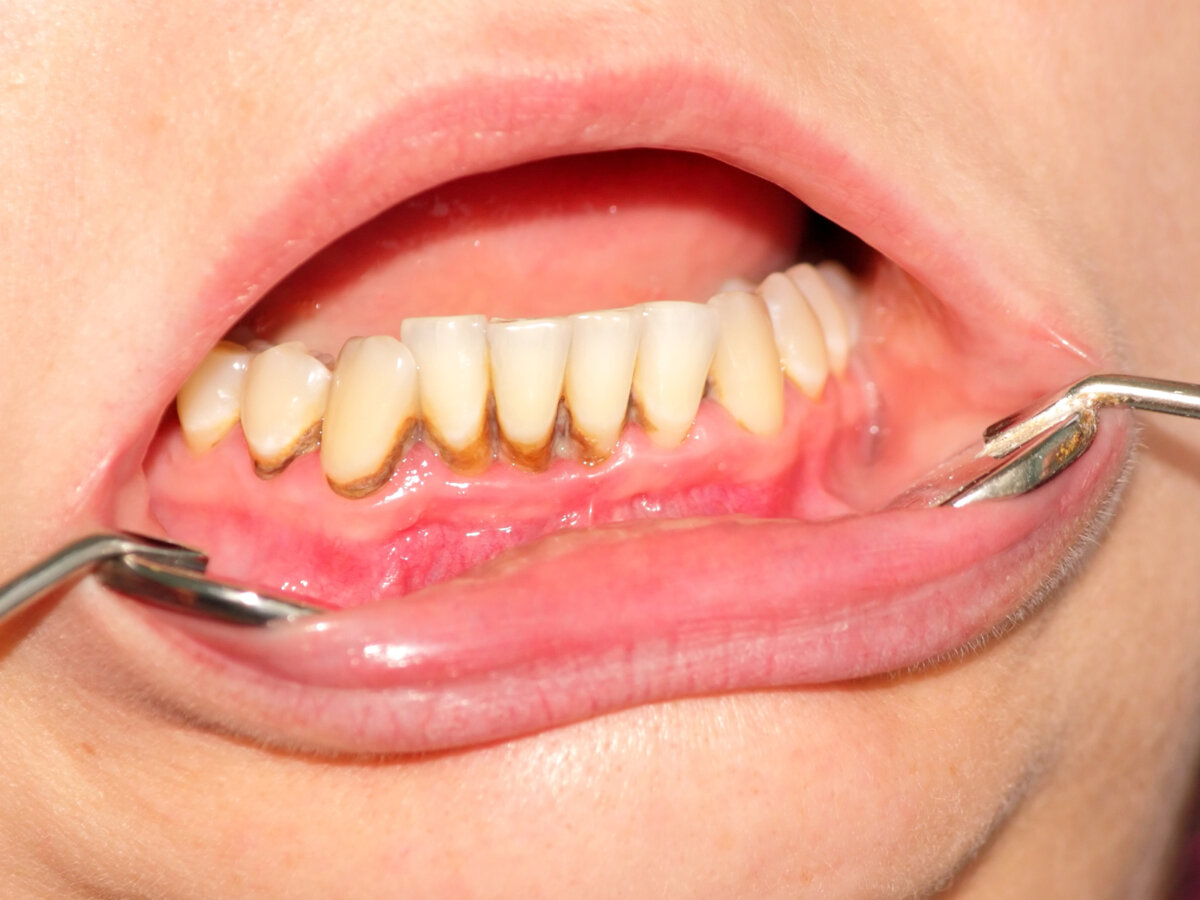
Tartar is a hardened deposit that develops when plaque accumulates on teeth and is not removed promptly. Plaque is a sticky film of bacteria that naturally forms after eating and drinking. When plaque combines with minerals found in saliva, it gradually hardens into tartar.
The process can begin within 24 to 72 hours if plaque is left untreated. Once tartar develops, it creates a rough surface that attracts even more plaque and bacteria, accelerating oral health problems.
Several factors contribute to tartar formation, including poor brushing habits, infrequent flossing, smoking, excessive consumption of sugary foods, and inadequate dental visits. Some individuals are also genetically predisposed to faster tartar buildup due to differences in saliva composition.
Understanding the causes of tartar is the first step in learning how to remove tartar from teeth effectively and preventing future accumulation.
Signs That You Have Tartar Buildup
Many people are unaware that tartar is forming until visible symptoms appear. Recognizing the early signs can help prevent more serious dental complications.
Common symptoms include:
- Yellow or brown deposits along the gumline
- Persistent bad breath
- Bleeding gums while brushing
- Gum inflammation or redness
- Rough feeling on tooth surfaces
- Increased tooth sensitivity
Tartar commonly develops behind the lower front teeth and on the outer surfaces of upper molars where saliva glands are most active. These areas often require extra attention during oral hygiene routines.
If you notice these symptoms, it may be time to learn how to remove tartar from teeth and schedule a professional dental examination.
Why Tartar Is Harmful to Oral Health
While tartar may initially seem like a cosmetic concern, it can have significant consequences for oral health. The rough surface created by tartar acts as a breeding ground for bacteria, increasing the risk of several dental issues.
Gum Disease
One of the most common complications associated with tartar is gingivitis. Bacteria trapped within tartar irritate the gums, causing inflammation, bleeding, and tenderness. Without treatment, gingivitis can progress into periodontitis, a more severe form of gum disease.
Tooth Decay
Tartar harbors bacteria that produce acids capable of eroding tooth enamel. This increases the likelihood of cavities and structural damage.
Bad Breath
Persistent bad breath often results from bacterial activity around tartar deposits. Even regular brushing may not eliminate the odor until the tartar is removed.
Tooth Loss
Advanced gum disease caused by untreated tartar can weaken supporting bone structures and eventually lead to tooth loss.
These risks emphasize the importance of understanding how to remove tartar from teeth before significant damage occurs.
Professional Methods for Removing Tartar
Professional dental treatment remains the safest and most effective approach for eliminating tartar.
Dental Scaling
Dental scaling involves using specialized instruments to remove hardened tartar from above and below the gumline. Dentists and dental hygienists use ultrasonic devices and hand tools to thoroughly clean tooth surfaces.
Scaling is painless for most patients and can significantly improve oral health within a single appointment.
Root Planing
For patients with advanced gum disease, root planing may be recommended. This procedure smooths tooth roots to discourage bacterial accumulation and promote gum healing.
Professional Cleaning
Routine professional cleanings every six months help prevent tartar buildup from becoming severe. These visits also allow dentists to identify potential oral health concerns early.
When discussing how to remove tartar from teeth, professional cleaning remains the gold standard because hardened tartar cannot usually be removed through brushing alone.
Home Remedies and Their Effectiveness
Many people search for natural methods to address tartar buildup. While home remedies may help reduce plaque formation, they generally cannot remove established tartar completely.
Baking Soda Brushing
Baking soda can help neutralize acids and reduce surface stains. Its mild abrasiveness may assist in removing plaque before it hardens.
Oil Pulling
Oil pulling involves swishing coconut or sesame oil in the mouth for several minutes. Some studies suggest it may reduce oral bacteria, though it does not remove hardened tartar.
White Vinegar Rinse
Diluted white vinegar possesses antibacterial properties. However, excessive use may damage enamel due to its acidic nature.
Aloe Vera and Essential Oils
Certain natural ingredients have antimicrobial properties that may support healthier gums and lower bacterial growth.
Although these remedies may complement oral hygiene efforts, they should not replace professional treatment when tartar is already present. Learning how to remove tartar from teeth involves recognizing the limitations of home-based solutions.
Daily Habits That Prevent Tartar Formation
Prevention is significantly easier than treatment. Adopting healthy oral care habits can minimize tartar buildup and reduce the need for extensive dental procedures.
Brush Properly Twice Daily
Use fluoride toothpaste and brush for at least two minutes. Focus on all tooth surfaces, including areas near the gumline where plaque often accumulates.
Floss Every Day
Flossing removes food particles and plaque from spaces that toothbrushes cannot reach.
Use an Antibacterial Mouthwash
Mouthwash helps reduce bacterial populations and slows plaque development.
Replace Your Toothbrush Regularly
Worn bristles are less effective at cleaning teeth thoroughly. Replace toothbrushes every three to four months.
Stay Hydrated
Drinking water stimulates saliva production, which naturally helps cleanse the mouth.
These preventive habits are fundamental when learning how to remove tartar from teeth and avoid future dental complications.
Foods That Support Better Oral Health
Nutrition plays a vital role in maintaining healthy teeth and gums. Certain foods naturally help reduce plaque buildup and support oral cleanliness.
| Food Category | Benefits for Oral Health |
|---|---|
| Crunchy Fruits | Help clean tooth surfaces naturally |
| Leafy Greens | Provide vitamins and minerals for gum health |
| Dairy Products | Supply calcium for stronger teeth |
| Nuts and Seeds | Stimulate saliva production |
| Green Tea | Contains antioxidants that reduce bacteria |
| Water | Washes away food particles and debris |
A balanced diet can significantly reduce the conditions that encourage tartar formation.
The Role of Modern Dental Technology
Advancements in dentistry have made tartar removal more effective and comfortable than ever before.
Ultrasonic Scalers
These devices use high-frequency vibrations to break apart tartar deposits while minimizing discomfort.
Digital Imaging
Modern imaging technologies help dentists identify hidden tartar deposits and monitor gum health.
Laser-Assisted Treatments
Certain dental clinics utilize lasers to target bacteria and support periodontal treatment.
These innovations continue improving outcomes for patients seeking information on how to remove tartar from teeth safely and efficiently.
Common Mistakes That Increase Tartar Buildup
Many individuals unknowingly contribute to tartar formation through poor oral care habits.
Some of the most common mistakes include:
- Brushing too quickly
- Skipping flossing
- Consuming excessive sugary snacks
- Smoking or using tobacco products
- Missing dental appointments
- Ignoring early signs of gum disease
Correcting these habits can significantly improve oral health and reduce future tartar accumulation.
When Should You Visit a Dentist?
While prevention is important, professional evaluation remains essential.
Schedule a dental visit if you experience:
- Persistent bad breath
- Bleeding gums
- Visible tartar deposits
- Tooth sensitivity
- Loose teeth
- Gum recession
Early intervention prevents minor issues from developing into serious dental conditions.
Individuals concerned about how to remove tartar from teeth should not delay seeking professional advice, especially if symptoms continue despite good oral hygiene practices.
Long-Term Strategies for a Tartar-Free Smile
Maintaining healthy teeth requires consistency rather than occasional effort. Long-term success depends on creating sustainable oral hygiene habits.
Establish a daily routine that includes brushing, flossing, and mouthwash use. Schedule professional cleanings at least twice annually and maintain a balanced diet low in refined sugars.
Monitoring changes in your oral health can also help identify potential concerns early. Even small improvements in daily habits can produce significant long-term benefits.
By consistently applying these strategies, you’ll better understand how to remove tartar from teeth while minimizing future buildup and preserving your overall dental health.
Key Takeaways
- Tartar forms when plaque hardens on tooth surfaces.
- Once tartar develops, professional removal is usually necessary.
- Regular brushing and flossing help prevent tartar formation.
- Dental cleanings are essential for long-term oral health.
- Healthy dietary choices can reduce plaque accumulation.
- Early treatment prevents gum disease and tooth loss.
- Consistent oral hygiene remains the best defense against tartar buildup.
Frequently Asked Questions
1. Can tartar be removed at home?
Hardened tartar typically cannot be removed safely at home. Professional dental cleaning is usually required.
2. How often should I get my teeth professionally cleaned?
Most dentists recommend professional cleanings every six months, although some individuals may require more frequent visits.
3. Does mouthwash remove tartar?
Mouthwash helps reduce bacteria and plaque but cannot remove hardened tartar once it has formed.
4. Is tartar the same as plaque?
No. Plaque is a soft bacterial film, while tartar is hardened plaque that has mineralized on the teeth.
5. Can tartar cause tooth loss?
Yes. Untreated tartar can contribute to advanced gum disease, which may eventually lead to tooth loss.
6. Are electric toothbrushes better for preventing tartar?
Many studies suggest electric toothbrushes are highly effective at removing plaque and reducing tartar buildup.
7. How quickly can tartar form?
Plaque may begin hardening into tartar within 24 to 72 hours if not removed through proper oral hygiene.
Conclusion
Maintaining excellent oral health requires understanding the causes and prevention of tartar buildup. While plaque can be removed through daily brushing and flossing, tartar presents a greater challenge once it hardens on the teeth. Learning how to remove tartar from teeth involves combining professional dental care with consistent home hygiene practices.
Regular dental cleanings, proper brushing techniques, daily flossing, healthy dietary choices, and routine oral health monitoring all contribute to a cleaner, healthier smile. By taking proactive steps today, you can reduce tartar formation, prevent gum disease, and enjoy stronger teeth for years to come. A healthy smile is not only attractive but also a reflection of overall well-being, making oral care an investment worth prioritizing every day.