


Introduction
Nutrition is very important for people since it affects their physical growth, brain development, immune system, and general health. The food we eat every day is what keeps our bodies working, healing, and fighting off disease. Many people are increasingly asking an important question: what is balanced diet and why is it so important for health? This is because lifestyles are changing, people are consuming more processed foods, and they are not eating regularly.
There are no specific guidelines about what to eat or how long to eat it for a balanced diet. Instead, it is a long-term and well-thought-out way of eating that makes sure the body gets all the nutrients it needs in the proper amounts. Balanced nutrition helps the body work well, keeps energy levels steady, and lowers the risk of chronic diseases by a lot.
People may make better eating choices without feeling guilty or confused if they understand nutrition in its most basic form. This article goes into great length about the idea of a balanced diet, breaking it down into useful parts so that the idea is clear, useful, and easy to use in everyday life.
What is Balanced Diet and Why is it Important
It’s crucial to know that no one food can give the body all the nutrients it requires in order to grasp what is balanced diet is. A balanced diet has items from several dietary groups that give you enough carbs, proteins, fats, vitamins, minerals, fiber, and water.
A balanced diet is important because it helps all of the body’s systems work well. Carbohydrates provide you energy, proteins help you grow and heal, fats help you absorb nutrients and make hormones, and vitamins and minerals control many biological processes. The body stays healthy, energetic, and able to handle stress when these nutrients are eaten in the appropriate amounts.
A healthy diet also helps you think clearly and keep your emotions in check. Not eating well might make you tired, irritable, and unable to focus. Balanced meals, on the other hand, help keep blood sugar levels steady, make you feel better, and boost your brainpower. This means that nutrition is important for both your body and your mind.
Important Parts of a Balanced Diet
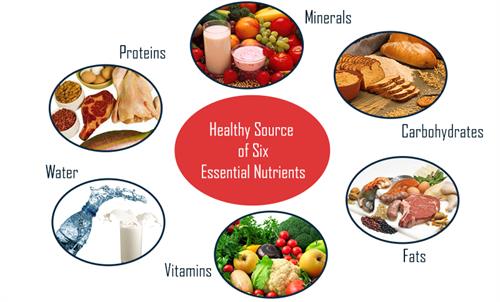
Essential nutrients that work together to keep you healthy are the building blocks of a balanced diet. Each set of nutrients has a distinct job to do, and taking one out or putting too much emphasis on it might throw the body off balance.
The body gets most of its energy from carbohydrates. They give you energy for everyday tasks and help your brain work. Whole grains, fruits, and vegetables are good sources of complex carbs that provide you energy slowly and consistently.
Proteins are very important for making hormones and enzymes, healing tissues, and growing muscles. Getting enough protein is important at every stage of life, from infancy growth to keeping muscular mass as you get older.
People generally don’t understand fats, although they are an important part of a healthy diet. Healthy fats boost your brain, protect your organs, and help you absorb vitamins that dissolve in fat. The secret is to pick the proper kinds and eat them in moderation.
Vitamins and minerals help the body work properly. They help the immune system, bones, nerves, and metabolism. A diet full of colorful fruits and vegetables naturally gives you a lot of these micronutrients.
Water is an important part of a healthy diet, even if people don’t often think about it. It assists with digestion, keeps the body at the right temperature, and moves nutrients around the body.
What is Balanced Diet in Everyday Life
When people ask what is balanced diet is, they frequently think of intricate meal plans or things that cost a lot. A balanced diet isn’t about being flawless; it’s about having a lot of different foods, not too much of any one thing, and sticking to it.
Every day, you should eat things that go well together nutritionally. Mixing foods from different groups makes ensuring that nutrient gaps are as small as possible. For instance, eating grains with foods high in protein helps your body absorb more nutrients and feel full.
Another important part is controlling portions. If you eat too much of even good foods, they might become unhealthy. A balanced diet meets the body’s energy needs without giving it too many extra calories.
Eating at regular times also helps keep everything in balance. Not eating or eating at strange times can mess up your metabolism and make you consume too much later. Eating at the same time every day helps keep your energy levels and digestion steady.
Why a Balanced Diet is Important for Your Health
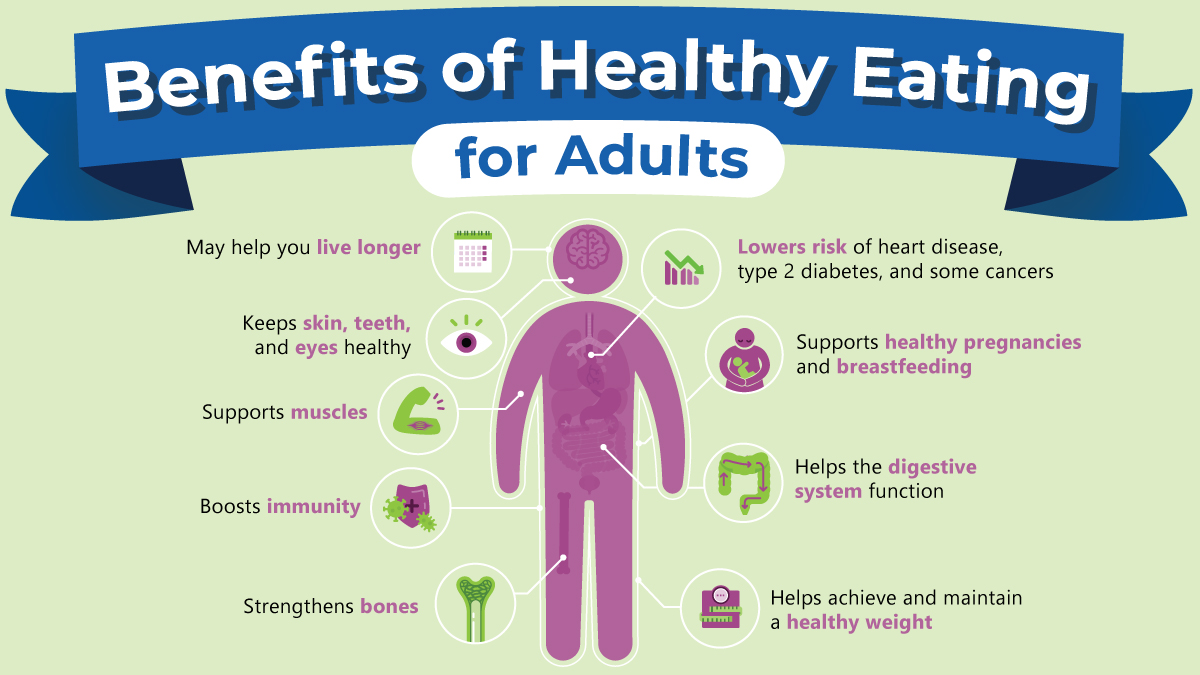
There are many well-known physical benefits of eating a balanced diet. Eating well increases the immune system, which helps the body fight illnesses and get better after being sick.
Getting enough calcium, vitamin D, and other minerals is very important for bone health. A balanced diet helps keep bones strong and lowers the incidence of fractures and osteoporosis, especially as people get older.
Balanced eating is also very important for heart health. Eating a lot of fiber, healthy fats, and other nutrients will help keep cholesterol and blood pressure in check, which lowers the risk of heart disease.
What is balanced diet also good for your digestive health. Foods high in fiber are good for your gut health, help you have regular bowel movements, and help good gut bacteria develop.
The Importance of a Balanced Diet for Mental and Emotional Health
Nutrition is very important for mental health, but people frequently don’t realize how important it is. People can better understand how their food choices affect their mood and emotional stability if they know what is balanced diet.
Brain function depends on nutrients like omega fatty acids, B vitamins, and minerals like magnesium. Not getting enough of these nutrients can make you feel stressed, anxious, and sad.
Balanced meals keep blood sugar levels consistent, which stops unexpected energy dumps that can make you tired and cranky. Eating well on a regular basis also helps you sleep better, which is important for keeping your emotions in check.
Eating healthy helps you have a good relationship with food. A balanced diet doesn’t focus on limitation; instead, it encourages self-care and sustenance, which can boost self-esteem and mental toughness.
A balanced Diet at Different times in Your Life
The rules for a balanced diet stay the same, even though our nutritional needs fluctuate with time. Balanced diet helps kids grow, develop their brains, and strengthen their immune systems.
During the teenage years, the body needs more nutrients to keep up with the fast changes and higher energy needs. A balanced diet at this point is important for long-term health.
Adults who eat a balanced diet stay energized, keep their weight in check, and lower their chance of getting long-term ailments. For people who work, good diet also helps them stay focused and get more done.
A balanced diet helps keep muscular strength, bone health, and brain function in elderly people. Good nutrition is important for independence and a good quality of life.
Some Common Myths about a Balanced Diet
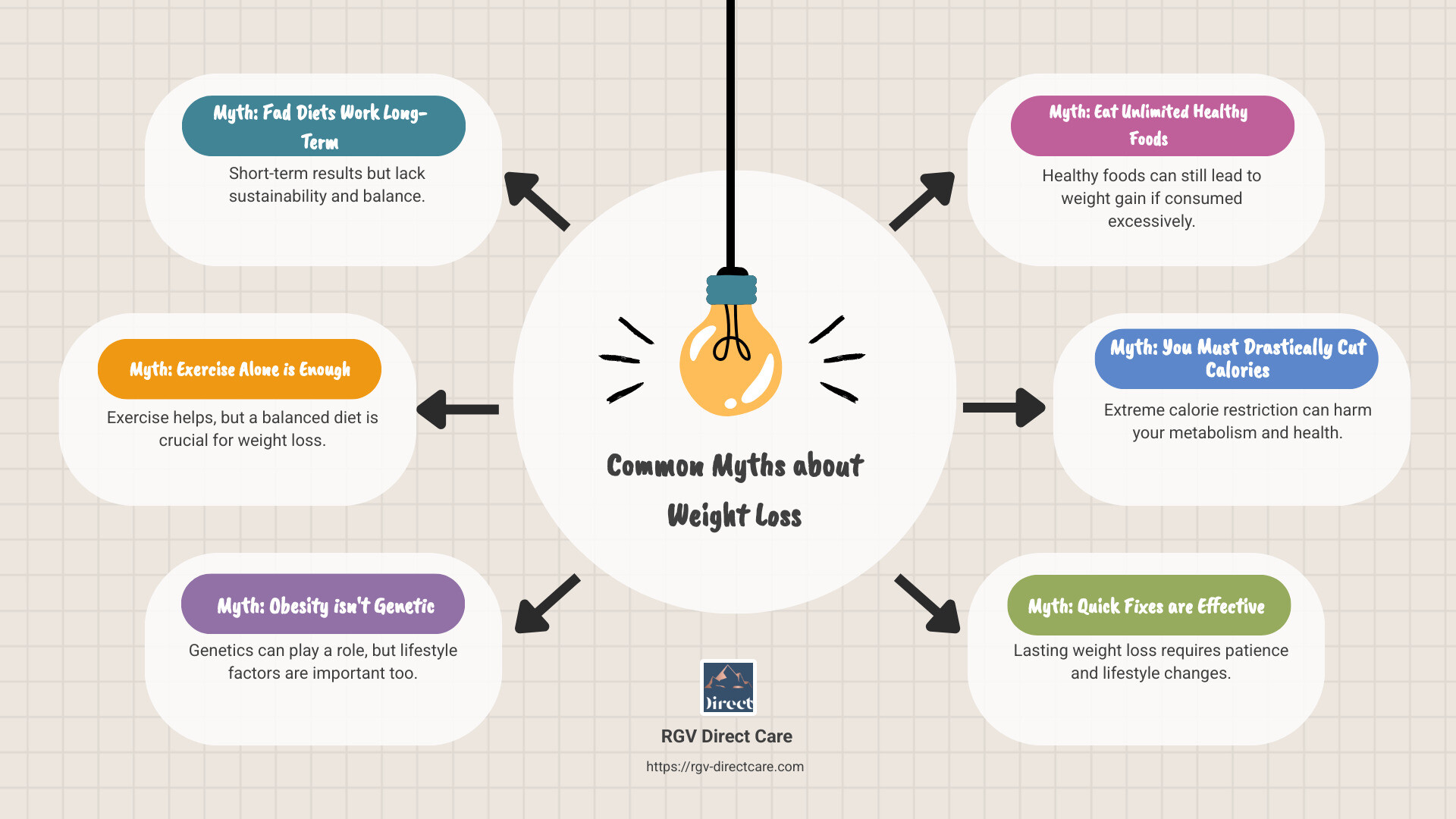
There are a lot of wrong ideas about what it means to eat healthy, which can cause confusion and make people anticipate too much. A lot of people believe that a balanced diet implies cutting out some items completely. In reality, balance lets you be flexible and have fun when you practice it thoughtfully.
Some people may think that balanced nourishment is too expensive or hard to get. Home-cooked meals, seasonal fruits and vegetables, and traditional dishes are typically quite healthy and don’t cost a lot.
Some people think that eating a balanced diet can give you results right away. But nutrition works slowly, helping your health over time instead than giving you immediate solutions. Changes that last are more important than changes that happen quickly.
Knowing what is balanced diet helps to dispel these illusions and promotes a realistic, long-term way of eating.
How a Balanced Diet Can Help you Control Your Weight
People often look for nutritional advice to help them lose weight. A balanced diet helps you maintain a healthy weight by keeping you full, giving you steady energy, and helping your body digest food properly.
When meals include the correct mix of nutrients, the body feels full and doesn’t want to eat as much. Fiber and protein are very important for managing hunger and stopping overeating.
A balanced diet doesn’t slow down metabolism like restricted diets do. Instead, it gives the body the right amount of nutrients, which helps keep muscle mass and energy use up.
Balanced nutrition for weight management is better for your overall health than the numbers on a scale. It is also more sustainable and good for your emotional health.
Cultural and Traditional Views on a Balanced Diet
Long before current nutrition science, people from many different cultures around the world practiced balanced eating. Traditional meals usually have a good mix of cereals, vegetables, meats, and fats.
These eating habits stress entire foods, being aware of what you eat, and moderation. From a cultural point of view, knowing what is balanced diet shows that you don’t have to give up traditional foods to eat well.
Keeping cultural cuisine traditions while making little changes can improve both the nutritional content and the emotional satisfaction of the food.
How Lifestyle Affects a Healthy Diet

It’s hard to have a balanced diet when you live in the modern world. When you’re busy, stressed, and short on time, you may turn to convenience foods that aren’t good for you.
But tiny modifications to your daily life can make a big effect. Even when life is busy, planning meals, eating thoughtfully, and paying attention to hunger cues can help keep your nutrition in balance.
A balanced diet is also better with exercise. Nutrition and exercise work together to boost energy levels, metabolic health, and general wellness.
A Realistic View of What is Balanced Diet Today
To know what is balanced diet in today’s fast-paced society, you need to be able to change. The goal is not to be perfect, but to be consistent and observant.
Balanced nutrition changes based on each person’s needs, wants, and health goals. Giving the body food that helps both physical and mental health is the most important thing.
The most important parts of balanced eating are paying attention to what your body is telling you, honoring hunger and fullness, and choosing foods that are good for you.
The Long-Term Benefits of Eating a Balanced Diet
Balanced diet has several long-term benefits that go beyond just making you feel better right away. A balanced diet lowers the risk of long-term diseases like diabetes, heart disease, and digestive problems over time.
It helps people age well by keeping them mobile, mentally sharp, and free. Eating a balanced diet also makes life better, gives you more energy, and helps you stay emotionally stable.
Sustainability may be the most essential benefit. A balanced diet is not a short-term fix; it is a way of life that changes with your needs and promotes general health.
In conclusion
Knowing what is balanced diet gives people the power to take charge of their health in a useful and good way. It’s not about following rigorous rules or going without food; it’s about giving your body a range of foods that work well together.
People can have a good relationship with food that helps them stay strong and clear-headed by concentrating on balance, moderation, and consistency. Eating a balanced diet helps you stay healthy in the long run, be more resilient, and have a higher quality of life.
Eating a balanced diet is an investment in your health that will pay off more and more over time. When you think about nutrition carefully, it can help you live a better, more energetic, and fulfilling life.
Read More:- What Is Nutrition? Meaning, Types, Benefits and Importance