

Introduction
Many people focus on vitamins such as vitamin C and vitamin D, but vitamin B1 is equally important for maintaining overall health. Also known as thiamine, vitamin B1 helps the body convert food into energy and supports proper nerve and muscle function. Despite its significance, many individuals are unaware of the foods that naturally contain this essential nutrient. Understanding which of these foods is a great source of vitamin B1 can help improve dietary choices and prevent nutritional deficiencies.
Vitamin B1 cannot be stored in large amounts within the body, meaning regular intake through food is essential. A balanced diet that includes thiamine-rich foods can contribute to better metabolism, enhanced brain performance, and healthier cardiovascular function. In this article, we will explore the importance of vitamin B1, its health benefits, symptoms of deficiency, and the best food sources to include in your daily meals.
Understanding Vitamin B1 and Its Role in the Body
Vitamin B1, or thiamine, is a water-soluble vitamin that belongs to the B-complex group. It plays a critical role in transforming carbohydrates into usable energy. Without adequate amounts of thiamine, the body’s cells struggle to perform their functions efficiently.
Thiamine also contributes to healthy nerve signaling and muscle contractions. The brain depends heavily on energy production, making vitamin B1 essential for cognitive performance and mental clarity. When individuals ask which of these foods is a great source of vitamin B1, they are seeking information that can positively impact their long-term health and wellness.
Since the body eliminates excess thiamine through urine, consistent dietary intake remains important. A nutritious eating plan containing whole grains, legumes, lean proteins, and seeds can help meet daily requirements naturally.
Why Vitamin B1 Is Essential for Good Health
Vitamin B1 contributes to numerous bodily processes that are necessary for survival and optimal function. One of its most recognized roles involves energy metabolism. It helps enzymes break down carbohydrates into glucose, providing fuel for the body’s cells.
Another important function involves maintaining a healthy nervous system. Thiamine supports communication between nerves and muscles, ensuring smooth bodily movements and coordination. Additionally, adequate vitamin B1 intake may promote better concentration and memory.
People often wonder which of these foods is a great source of vitamin B1 because they want practical dietary solutions rather than relying solely on supplements. Consuming vitamin-rich foods provides additional nutrients, fiber, and antioxidants that contribute to overall well-being.
Top Foods Rich in Vitamin B1
Determining which of these foods is a great source of vitamin B1 becomes easier when examining common dietary choices. Several foods naturally contain high levels of thiamine and can easily fit into everyday meals.
Pork
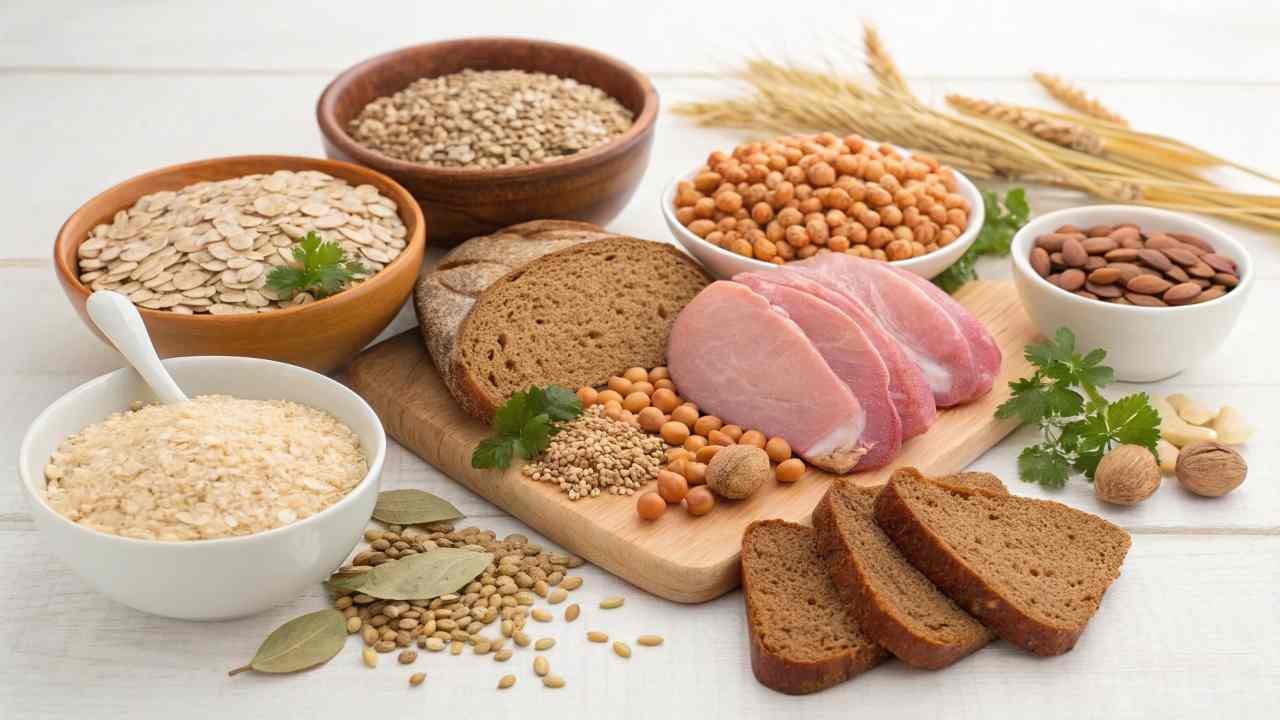
Pork is considered one of the richest natural sources of vitamin B1. Lean cuts provide substantial amounts of thiamine while also supplying high-quality protein. Including pork occasionally in a balanced diet can significantly contribute to daily vitamin B1 needs.
Whole Grains
Brown rice, oats, barley, and whole wheat products contain thiamine because their nutrient-rich outer layers remain intact during processing. Choosing whole grains over refined alternatives increases vitamin intake substantially.
Legumes
Beans, lentils, black beans, and peas offer plant-based sources of vitamin B1. They are also rich in fiber, making them excellent additions to healthy eating plans.
Seeds and Nuts
Sunflower seeds are particularly abundant in thiamine. Other nuts such as macadamia nuts also contribute useful amounts of vitamin B1.
Fortified Cereals
Many breakfast cereals are fortified with essential vitamins, including thiamine. Checking nutrition labels can help identify products that support recommended daily intake levels.
Table: Excellent Sources of Vitamin B1
| Food Source | Approximate Vitamin B1 Content | Additional Benefits |
|---|---|---|
| Pork | High | Protein and iron |
| Sunflower Seeds | High | Healthy fats |
| Brown Rice | Moderate | Fiber and minerals |
| Lentils | Moderate | Plant protein |
| Fortified Cereals | High | Multiple vitamins |
| Black Beans | Moderate | Digestive support |
| Oatmeal | Moderate | Heart health benefits |
This table provides a quick answer to which of these foods is a great source of vitamin B1 and highlights other nutritional advantages.
Signs and Symptoms of Vitamin B1 Deficiency
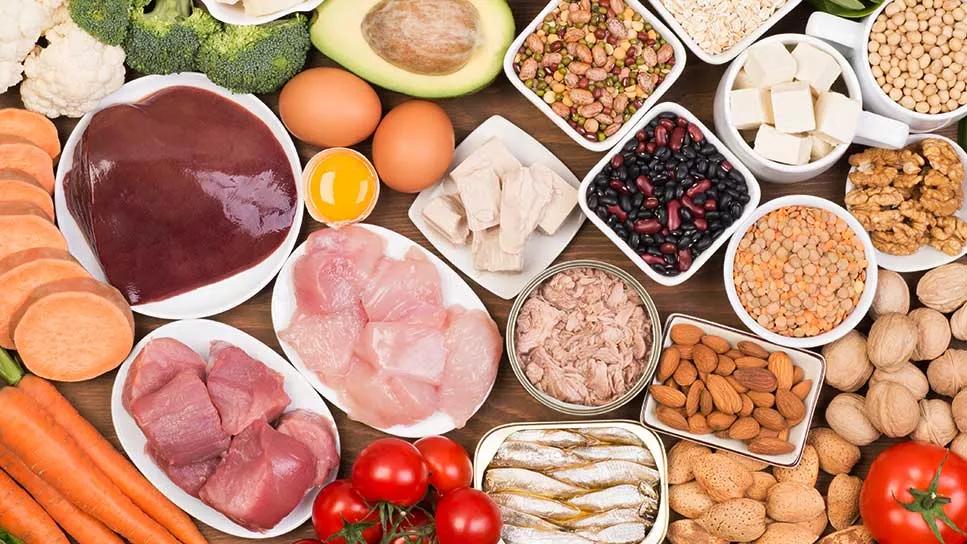

Although vitamin B1 deficiency is relatively uncommon in developed regions, it can still occur. Individuals with poor dietary habits, excessive alcohol consumption, or certain medical conditions may face increased risk.
Common symptoms include fatigue, irritability, muscle weakness, and reduced appetite. In more severe cases, deficiency can affect the cardiovascular and nervous systems. Conditions such as beriberi have historically been linked to prolonged thiamine deficiency.
Understanding which of these foods is a great source of vitamin B1 enables people to address potential nutritional gaps before serious complications develop. Early dietary intervention often proves highly effective.
Who Needs More Vitamin B1?
Certain populations may require increased attention to vitamin B1 intake. Pregnant and breastfeeding women often have elevated nutritional demands. Older adults may experience reduced nutrient absorption, making dietary quality increasingly important.
Athletes and highly active individuals who consume large quantities of carbohydrates may also benefit from ensuring sufficient thiamine intake. People managing chronic illnesses should consult healthcare providers regarding individualized nutritional needs.
Learning which of these foods is a great source of vitamin B1 empowers individuals to tailor their diets according to life stage and health status.
Tips for Including More Vitamin B1 in Your Diet
Improving vitamin B1 intake does not require dramatic dietary changes. Small adjustments can yield meaningful benefits over time.
Begin the day with fortified cereal or oatmeal paired with nuts and seeds. Replace refined grains with whole-grain alternatives such as brown rice or whole wheat bread. Incorporate legumes into soups, salads, and side dishes throughout the week.
Moderate portions of lean pork can also contribute substantial thiamine. Experimenting with new recipes makes healthy eating more enjoyable and sustainable.
People frequently search which of these foods is a great source of vitamin B1 because practical application matters. Simple food swaps often represent the most effective strategy.
Can Supplements Replace Food Sources?
Vitamin B1 supplements are available and may be appropriate in cases of diagnosed deficiency. However, food sources remain preferable for most individuals because they provide a wide array of complementary nutrients.
Whole foods offer vitamins, minerals, fiber, and beneficial plant compounds that supplements cannot fully replicate. A balanced diet typically meets thiamine requirements without the need for additional products.
When considering which of these foods is a great source of vitamin B1, emphasizing nutrient-dense meals supports both immediate and long-term health objectives.
Daily Recommended Intake of Vitamin B1

The amount of vitamin B1 needed varies according to age, sex, and physiological circumstances. Adult men generally require approximately 1.2 milligrams daily, while adult women need around 1.1 milligrams. Pregnancy and breastfeeding may increase requirements slightly.
Meeting these recommendations through dietary sources is achievable with thoughtful meal planning. Combining several thiamine-rich foods throughout the day ensures adequate intake while supporting diverse nutritional needs.
Awareness of which of these foods is a great source of vitamin B1 helps individuals make informed decisions that align with dietary guidelines.
Conclusion
Vitamin B1 is an essential nutrient that supports energy production, nervous system function, and overall health. Since the body cannot store large amounts of thiamine, obtaining it regularly through food is vital. Fortunately, numerous delicious and accessible options exist.
Pork, whole grains, legumes, sunflower seeds, nuts, and fortified cereals all contribute meaningful amounts of this important vitamin. Understanding which of these foods is a great source of vitamin B1 allows individuals to build healthier eating habits and reduce the risk of deficiency.
By making intentional food choices and prioritizing nutrient-rich ingredients, anyone can maintain adequate vitamin B1 intake. Small dietary improvements today can support lasting health benefits well into the future.