


Introduction
Nutrition plays a vital role in maintaining overall health, supporting growth, and preventing various diseases. In today’s fast-paced world, people often rely on processed foods, skip meals, or follow restrictive eating patterns that may not provide the nutrients their bodies need. This is why understanding proper nutrition has become more important than ever.
When health experts discuss nutrition, one of the most common concepts they emphasize is the need to define balanced diet correctly. A balanced diet provides the right proportions of nutrients required for the body to function effectively. It includes a variety of foods from different food groups and ensures that an individual receives adequate vitamins, minerals, proteins, carbohydrates, fats, and fiber.
Many people assume that healthy eating means eliminating favorite foods or following strict meal plans. However, true nutritional balance is about moderation, variety, and making informed choices. By learning the principles behind healthy nutrition, individuals can improve their energy levels, strengthen immunity, manage weight, and enhance overall well-being.
This comprehensive guide explores everything you need to know about balanced nutrition, including its components, benefits, practical implementation strategies, and common misconceptions.
What Does a Balanced Diet Mean?
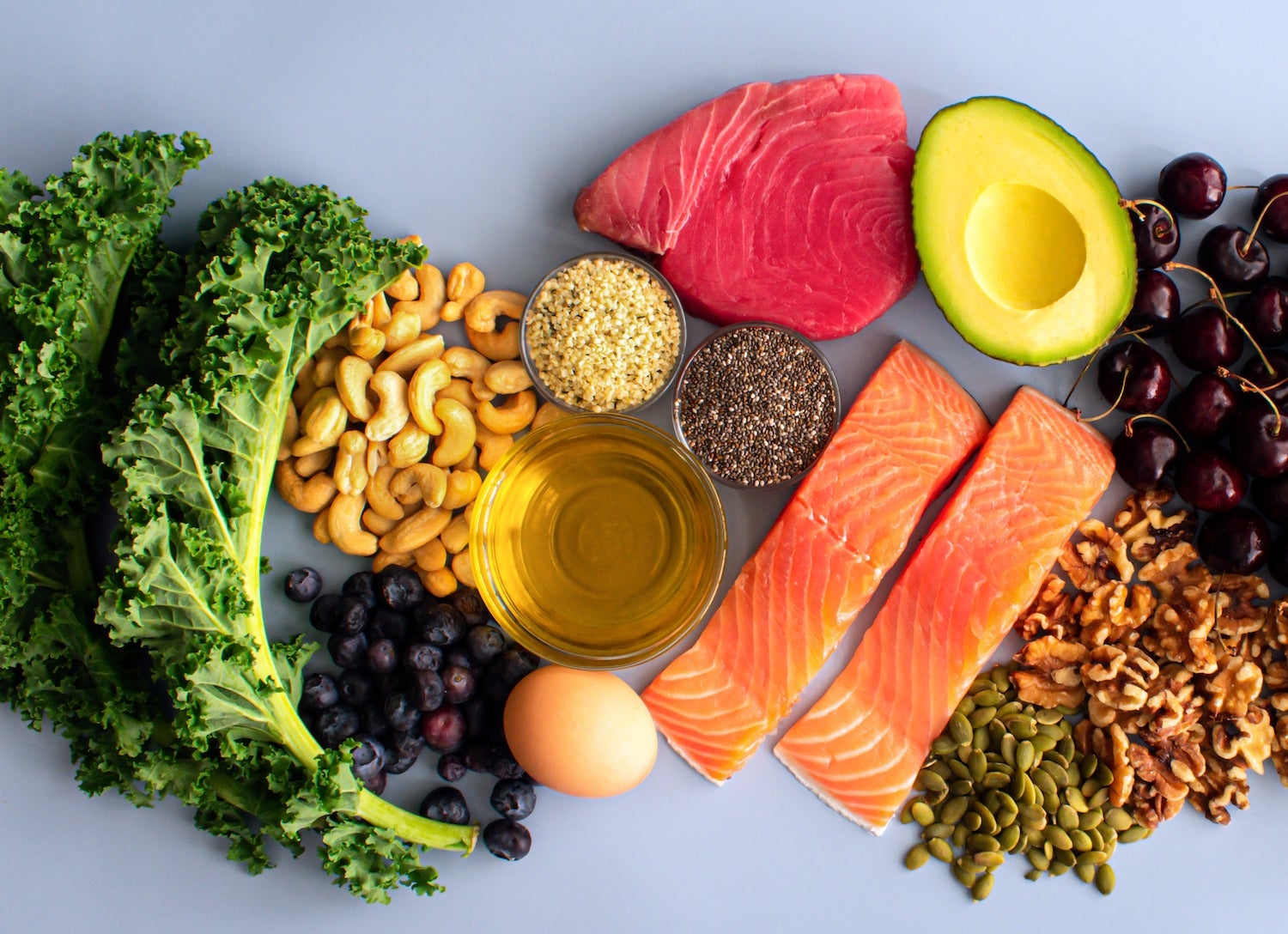
To properly define balanced diet, it is important to understand that it refers to consuming foods from all major food groups in appropriate quantities. The goal is to provide the body with sufficient nutrients for growth, repair, energy production, and disease prevention.
A balanced diet is not a one-size-fits-all plan. Nutritional requirements vary according to age, gender, physical activity level, health status, and lifestyle. Nevertheless, the core principle remains the same: obtaining a wide range of nutrients through diverse food choices.
A healthy dietary pattern typically includes fruits, vegetables, whole grains, lean proteins, healthy fats, and adequate hydration. Each nutrient serves a unique purpose, and deficiencies or excesses can negatively impact health.
Rather than focusing on single foods, a balanced approach considers the overall quality and diversity of meals consumed throughout the day.
Why Is a Balanced Diet Important?
The human body requires numerous nutrients to perform essential functions. Without proper nutrition, physical and mental health can suffer significantly.
When experts define balanced diet, they often emphasize its role in supporting bodily systems. Balanced nutrition provides fuel for daily activities, strengthens bones and muscles, supports brain function, and helps maintain healthy body weight.
Long-term adherence to a balanced eating pattern can reduce the risk of chronic diseases such as heart disease, diabetes, hypertension, and certain cancers. It also contributes to improved mood, better concentration, and enhanced productivity.
Furthermore, balanced nutrition supports healthy aging by preserving muscle mass, maintaining immune function, and reducing inflammation. The benefits extend beyond physical health and positively influence emotional well-being and quality of life.
The Essential Components of a Balanced Diet
Understanding the key nutrients is fundamental when trying to define balanced diet effectively.
Carbohydrates: The Body’s Primary Energy Source
Carbohydrates provide the energy necessary for daily functioning. They fuel the brain, muscles, and organs.
Healthy carbohydrate sources include:
- Whole grains
- Brown rice
- Oats
- Fruits
- Vegetables
- Legumes
Complex carbohydrates are generally preferred because they provide sustained energy and contain valuable fiber.
Proteins: Building and Repairing Tissues
Protein plays a critical role in muscle development, tissue repair, enzyme production, and immune support.
Excellent protein sources include:
- Fish
- Poultry
- Eggs
- Beans
- Lentils
- Dairy products
- Nuts and seeds
Consuming adequate protein helps maintain muscle strength and supports recovery after physical activity.
Healthy Fats: Essential for Overall Health
Contrary to popular belief, fats are necessary for good health. They support hormone production, brain function, and nutrient absorption.
Healthy fat sources include:
- Avocados
- Olive oil
- Nuts
- Seeds
- Fatty fish
Limiting trans fats and excessive saturated fats contributes to better cardiovascular health.
Vitamins and Minerals
Micronutrients are required in smaller amounts but remain essential for countless bodily processes.
Examples include:
- Vitamin C for immunity
- Vitamin D for bone health
- Iron for oxygen transport
- Calcium for strong bones
- Zinc for immune support
A varied diet rich in fruits and vegetables helps meet micronutrient needs.
Fiber
Fiber supports digestive health, regulates blood sugar levels, and promotes feelings of fullness.
Whole grains, fruits, vegetables, legumes, and seeds are excellent sources of dietary fiber.
Water
Hydration is often overlooked despite being a crucial component of nutrition. Water regulates body temperature, transports nutrients, and supports numerous physiological functions.
Food Groups and Their Functions
The following table highlights major food groups and their nutritional contributions.
| Food Group | Main Nutrients | Primary Benefits |
|---|---|---|
| Fruits | Vitamins, fiber, antioxidants | Supports immunity and digestion |
| Vegetables | Vitamins, minerals, fiber | Promotes overall health |
| Whole Grains | Carbohydrates, fiber | Provides sustained energy |
| Protein Foods | Protein, iron, zinc | Builds and repairs tissues |
| Dairy or Alternatives | Calcium, protein | Supports bone health |
| Healthy Fats | Essential fatty acids | Supports brain and heart function |
This balance among food groups helps ensure nutritional adequacy and long-term health.
How Nutritional Balance Supports Different Age Groups

Nutritional requirements evolve throughout life.
Children and Adolescents
Growing bodies require sufficient protein, calcium, iron, and energy. Balanced meals support physical growth, cognitive development, and academic performance.
Adults
Adults benefit from balanced nutrition through improved energy levels, weight management, and reduced risk of chronic disease.
Older Adults
Aging individuals often require increased attention to protein, calcium, vitamin D, and hydration. Balanced eating helps preserve independence and overall vitality.
Because nutritional needs differ, understanding how experts define balanced diet across life stages can help individuals make better dietary decisions.
Common Signs of an Unbalanced Diet
Poor nutrition often develops gradually, making it difficult to recognize initially.
Potential signs include:
- Persistent fatigue
- Frequent illness
- Poor concentration
- Digestive issues
- Hair loss
- Weight fluctuations
- Weak muscles
- Mood changes
These symptoms may indicate nutritional deficiencies or excessive consumption of unhealthy foods. Addressing dietary habits early can prevent long-term complications.
Practical Strategies for Maintaining a Balanced Diet
Knowing nutrition principles is only part of the equation. Applying them consistently is what creates lasting results.
Prioritize Variety
Consuming diverse foods helps ensure adequate nutrient intake. Different foods provide unique vitamins, minerals, and beneficial compounds.
Fill Half the Plate with Fruits and Vegetables
This simple strategy increases nutrient density while supporting healthy weight management.
Choose Whole Foods
Whole foods generally contain more nutrients and fewer additives than highly processed alternatives.
Monitor Portion Sizes
Even nutritious foods can contribute to excess calorie intake when consumed in large quantities.
Stay Hydrated
Drinking water regularly supports digestion, circulation, and overall bodily function.
Plan Meals Ahead
Meal planning reduces reliance on convenience foods and encourages healthier choices throughout the week.
Balanced Diet and Weight Management
Weight management is often associated with restrictive dieting, but sustainable results usually come from balanced eating habits.
When nutrition is balanced, the body receives adequate fuel without excessive calories. High-fiber foods, lean proteins, and healthy fats help promote satiety and reduce overeating.
Individuals seeking weight control should focus on overall dietary quality rather than extreme calorie restriction. Understanding how nutrition experts define balanced diet can help people create realistic and sustainable eating patterns.
Healthy weight management is most successful when combined with regular physical activity, sufficient sleep, and stress management.
The Relationship Between Balanced Nutrition and Disease Prevention

Scientific research consistently demonstrates the connection between nutrition and disease risk.
A balanced dietary pattern can help:
- Lower blood pressure
- Improve cholesterol levels
- Reduce inflammation
- Support healthy blood sugar regulation
- Enhance immune function
- Protect cardiovascular health
Many chronic diseases are influenced by dietary habits. By choosing nutrient-rich foods consistently, individuals can significantly improve long-term health outcomes.
Preventive nutrition remains one of the most effective tools for reducing healthcare burdens and improving quality of life.
Common Myths About Balanced Diets
Myth 1: Healthy Eating Means Eliminating All Treats
Balanced nutrition allows room for occasional indulgences. Moderation is more sustainable than strict restriction.
Myth 2: Carbohydrates Are Bad
Whole-food carbohydrate sources provide valuable nutrients and energy. The issue often lies in excessive refined carbohydrate consumption.
Myth 3: Fat Causes Weight Gain
Healthy fats are essential for overall health and can support satiety when consumed appropriately.
Myth 4: Skipping Meals Promotes Weight Loss
Skipping meals may lead to increased hunger and poor food choices later in the day.
Myth 5: Supplements Can Replace Food
While supplements may help address specific deficiencies, they cannot replicate the complete nutritional benefits of whole foods.
How to Create a Balanced Plate
Many nutrition professionals recommend a simple plate model.
A balanced meal often includes:
- Half the plate: Fruits and vegetables
- One-quarter: Lean protein
- One-quarter: Whole grains or complex carbohydrates
- Small portion of healthy fats
- Water or other low-sugar beverages
This practical framework simplifies meal planning and supports nutritional adequacy.
For those trying to define balanced diet in everyday terms, a balanced plate provides an easy visual guide for healthier eating decisions.
Key Takeaways
- A balanced diet provides all essential nutrients required for optimal health.
- It includes carbohydrates, proteins, healthy fats, vitamins, minerals, fiber, and water.
- Variety and moderation are fundamental principles of healthy nutrition.
- Balanced eating supports energy production, disease prevention, and weight management.
- Different life stages require different nutrient priorities.
- Whole foods generally offer superior nutritional value compared to heavily processed alternatives.
- Consistent healthy habits produce better long-term results than restrictive dieting.
- Understanding how to define balanced diet helps individuals make informed nutritional choices every day.
Frequently Asked Questions
1. What is the simplest way to define balanced diet?
The simplest way to define balanced diet is as consuming a variety of foods from all major food groups in appropriate amounts to meet the body’s nutritional needs.
2. How many meals should I eat daily for a balanced diet?
There is no universal number. Most people benefit from three balanced meals daily, while others may include healthy snacks based on individual needs.
3. Can vegetarians maintain a balanced diet?
Yes. Vegetarians can achieve balanced nutrition through careful selection of plant-based proteins, whole grains, fruits, vegetables, nuts, seeds, and fortified foods.
4. Is a balanced diet important for children?
Absolutely. Balanced nutrition supports growth, brain development, strong bones, and overall health during childhood.
5. Can a balanced diet help prevent disease?
A healthy dietary pattern may reduce the risk of heart disease, diabetes, obesity, hypertension, and certain other chronic conditions.
6. Are supplements necessary if I eat a balanced diet?
Most nutrients can be obtained through food. However, some individuals may require supplements based on medical conditions, deficiencies, or professional recommendations.
7. How can I start improving my diet today?
Begin by adding more fruits and vegetables, choosing whole grains, drinking sufficient water, reducing processed foods, and maintaining portion control.
Conclusion
Good nutrition forms the foundation of a healthy and active life. A balanced diet is not about perfection, deprivation, or following temporary trends. Instead, it involves making consistent choices that provide the body with the nutrients needed for optimal functioning.
Understanding nutrition empowers individuals to take control of their health and make informed food decisions. From supporting growth and energy production to reducing disease risk and improving mental well-being, balanced eating offers benefits that extend throughout every stage of life.
By learning how to define balanced diet and applying its principles daily, anyone can build healthier habits that contribute to long-term wellness. Small, sustainable changes made today can create significant health improvements in the future, making balanced nutrition one of the most valuable investments in overall well-being.