


Introduction
The food we eat and how our bodies use it are important for our health, growth, and survival. Food is important at every stage of life, from the energy it gives us to breathe and move to the complicated mechanisms that fix cells and combat disease. People may make smart food choices that will help them stay healthy in the long run if they know what is nutrition. Nutrition is not just about eating enough, but also about eating the proper kinds of food and the right amounts of them. Nutrition is an important topic for keeping both physical and mental health in a world full of hectic lives and processed foods.
Food and life are connected by nutrition. Every culture has its own ways of eating, but the biological demands are the same. For the body to work well, deal with stress, and get better after being sick, it needs nutrition. The body does well when it gets the right amount of nutrients. Health problems often happen when it is not taken care of.
What is Nutrition? A Definition and a Basic Idea
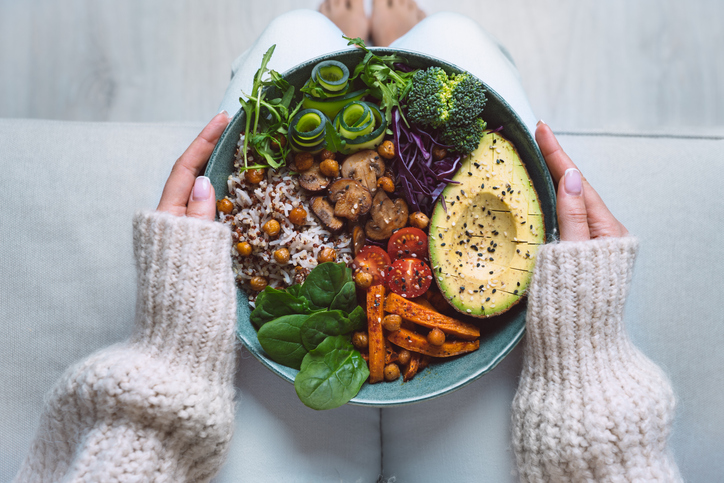
To really comprehend what is nutrition, you need to know what it means in science. Nutrition is how living things get food, break it down, absorb nutrients, and use them for energy, development, repair, and keeping the body working. Digestion, absorption, metabolism, and excretion are all parts of this process. Nutrition is a science that combines knowledge of dietary composition with the body’s physiological needs.
Carbohydrates, proteins, lipids, vitamins, minerals, and water are all nutrients that nutrition studies. Each vitamin has a specific job to do to help the body work. The study of nutrition also looks at how different diets affect health, prevent disease, and help people live longer. In short, nutrition is the study of how food turns into energy and building blocks for the body.
Why Nutrition Is Important in Everyday Life
Knowing what is nutrition helps you understand why it is so important in everyday life. Nutrition has a direct effect on your energy, immune system, mental clarity, and emotional equilibrium. A body that is well-fed can do physical tasks better, fight off diseases, and keep its mood constant. On the other side, not eating well can make you tired, sick often, and cause long-term health problems.
Food also affects how productive you are and how good your life is. Kids who eat well tend to grow better and learn better. Adults who eat a balanced diet frequently find it easier to focus and do their jobs. Older individuals need nourishment that helps their bones, muscles, and brain work well. Nutrition is not a quick fix; it’s a long-term investment in your health.
What Macronutrients Are and What They Do
To completely understand nutrition, you need to know what macronutrients are. Macronutrients are the nutrients that the body needs in huge amounts to work well. These are lipids, proteins, and carbs. Each macronutrient gives you energy and helps with certain bodily functions.
The body gets most of its energy from carbohydrates. They give energy to the brain, muscles, and neurological system. Proteins are necessary for making enzymes, creating and repairing tissues, and keeping the immune system strong. Fats give you a lot of energy, protect important organs, and assist your body absorb vitamins that dissolve in fat. A balanced intake of macronutrients gives the body the fuel and structure it needs to work well.
Micronutrients and Their Importance
Micronutrients are just as crucial for understanding nutrition, even though you require them in lower amounts. These are vitamins and minerals that help the body work properly, keep the immune system strong, and keep the body’s metabolism in balance. Vitamins A, C, D, E, and B-complex help with vision, skin health, bone strength, and the way your body uses energy.
Minerals including calcium, iron, potassium, and zinc help build bones, move oxygen across the body, make muscles contract, and speed up enzyme activity. Even if you eat enough calories, not getting enough micronutrients might cause major health problems. Nutrition focuses on more than just how much food you eat; it also looks at how good it is and how many different nutrients it provides.
Nutrition and Balancing Energy
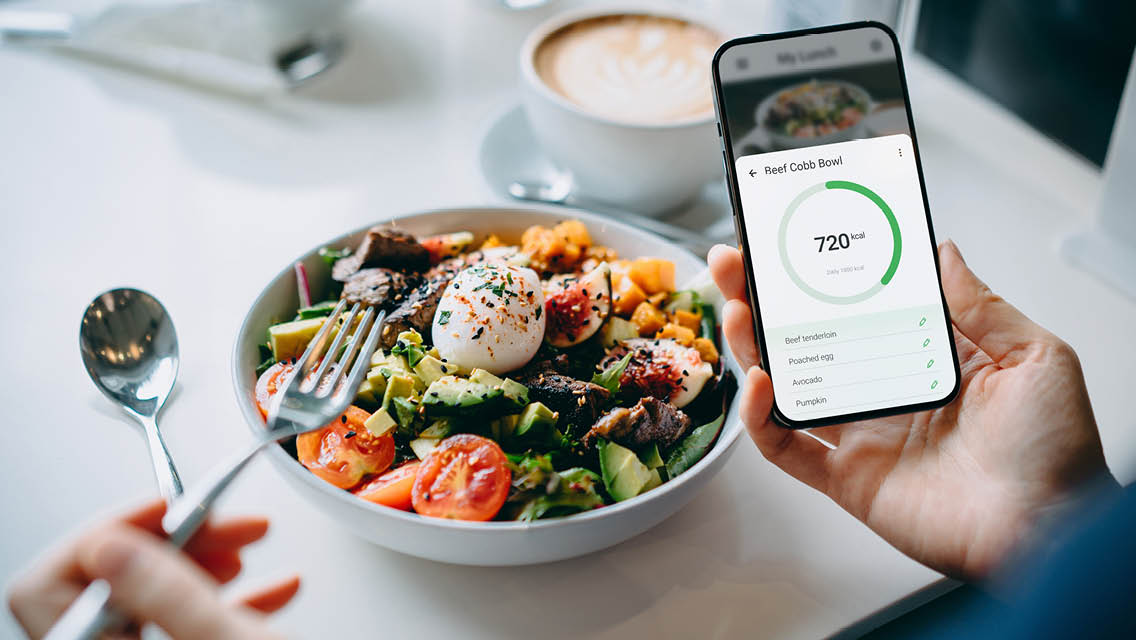
Energy balance is an important idea to comprehend when it comes to nutrition. Energy balance is the balance between the calories you eat and the calories you burn via exercise and fundamental metabolic processes. When the amount of energy you take in is the same as the amount you use, your weight stays the same.
When you eat more calories than you require, you have a positive energy balance, which can lead to weight gain. When you don’t eat enough calories, you can end up with a negative energy balance. This can lead to weight loss and nutrient shortages. Nutrition helps people keep their energy levels in check by picking foods that give them enough nutrients without too many calories.
Nutrition at Different Times in Life
To understand what is nutrition, you need to think about how your dietary needs alter as you get older. Infants need nutrients that help their brains grow and develop quickly. Kids and teens require food that helps them develop, change their hormones, and learn.
Adults need a balanced diet to keep their bodies working, avoid long-term illnesses, and keep their energy levels up. Older people need food that helps their bones stay strong, their muscles grow, and their immune system work. Nutrition changes with age, lifestyle, health, and the environment.
The Immune System and Nutrition
One of the most significant things about diet is how it affects the immune system. Vitamins, minerals, proteins, and healthy fats are some of the nutrients that help immune cells create protective barriers in the body. Eating right helps the immune system fight off infections and get better after being sick.
When you don’t get enough nutrients, your immune system gets weaker, which makes you more likely to get sick. Balanced eating helps the body make antibodies, lowers inflammation, and boosts its natural defenses. This link between nutrition and immunity shows how important it is to have healthy eating habits all the time.
Preventing Disease Through Nutrition
When discussing what is nutrition, disease prevention cannot be overlooked. Nutrition is very important for lowering the chances of getting chronic diseases like heart disease, diabetes, obesity, and certain deficiencies. Diets rich in whole foods, adequate nutrients, and balanced energy intake support metabolic health and reduce strain on bodily systems.
Poor nutrition, such as eating too many processed foods and not getting enough different nutrients, makes it more likely that you will have diseases related to your lifestyle. Nutrition is a way to keep people healthy, not only a way to treat illness after it happens.
Food and Mental Health

Another important part of nutrition is how it affects mental health. For the brain to work at its best, it needs a regular flow of nutrients. Nutrients affect the creation of neurotransmitters, the management of stress, and cognitive performance. Balanced eating helps keep your mood stable, your memory sharp, and your focus.
Not getting enough nutrients might make you moody, tired, and less clear-headed. Nutrition helps general health and resilience in everyday life by feeding the brain as well as the body.
The Importance of Staying Hydrated in Nutrition
People often forget about water, yet it is still an important part of nutrition. Drinking enough water helps with digestion, moving nutrients around, keeping the body at the right temperature, and getting rid of waste. Even the healthiest diet won’t work well if you don’t drink enough water.
Food and drinks are both part of nutrition. Keeping hydrated helps with energy levels, physical performance, and the body’s overall metabolism. Water works with nutrients to keep the body in balance and working well.
Learning about and Being Aware of Nutrition
Learning about nutrition and being aware of it are also parts of understanding it. People who learn about nutrition can read food labels, figure out what nutrients they need, and make smart choices about what to eat. People who know about nutrition can see how their eating habits affect their health over time.
Knowing about nutrition helps make communities healthier by lowering the number of diet-related diseases. People who know about nutrition can better take care of themselves and their children.
Problems with Nutrition and Modern Life
It might be hard to eat well in today’s fast-paced society. It’s hard to eat healthy when you have a lot going on, can’t get fresh food, and see ads for processed meals. People can deal with these problems and put their health first if they know about nutrition.
Balance, moderation, and being aware of what you eat are important parts of modern nutrition. It tells people to think more on getting enough food than about not eating. People can still make healthy choices even when they have busy lives provided they follow nutrition guidelines.
Conclusion: Comprehending the Authentic Significance of Nutrition
In conclusion, knowing what is nutrition is important for living a healthy and balanced life. Nutrition is not just about what you eat; it’s also about how your body uses nutrients to stay alive, grow, and avoid getting sick. Nutrition affects every part of human health, from physical strength to mental clarity.
People can make smart choices that promote their long-term health by understanding how important nutrition, energy balance, and lifelong dietary demands are. Knowing about nutrition is an important step toward a healthy future because it is a key part of health.
Read More:- Wellbeing Nutrition: A Holistic Guide to Health and Balance