


Introduction
In today’s fast-paced world, being healthy isn’t just about not being sick. People are looking for more than just physical fitness these days. They also want balance, energy, mental clarity, and emotional stability. This change has led to a more complete understanding of nutrition, which is commonly called “wellbeing nutrition.” Instead of rigorous diets or calculating calories, this method focuses on finding balance between food, body, mind, and lifestyle. It knows that what we eat affects not just our physical strength but also our mood, ability to bounce back, and long-term quality of life.
Wellbeing nutrition is based on the premise that food is more than just fuel. Every meal has information that influences hormones, digestion, immunity, and brain chemistry. When diet is in line with a person’s needs and daily cycles, it helps them stay healthy and balanced. This article goes into great detail on the idea, looking at its roots, principles, benefits, and how it might be used in daily life.
Getting to Know the Idea of Wellbeing Nutrition
Wellbeing nutrition is a way of eating that focuses on total health instead of just one or two health goals. It combines physical nourishment with mental and emotional care, recognizing that diet, stress, sleep, movement, and thinking all affect each other. Instead than calling things “good” or “bad,” it promotes awareness, moderation, and making decisions on purpose.
Wellbeing nutrition is based on the idea that everyone is different. Age, culture, surroundings, level of activity, and individual health issues all affect the nutrients a person needs. What helps one individual feel better may not help another. This adaptable framework helps people have a better relationship with food by shifting away from guilt and restriction and toward nourishment and satisfaction.
This method also preserves old ways of thinking while accepting new ideas in nutrition science. It prioritizes whole foods, careful cooking, and balanced meals, and it also takes into account the latest studies on nutrients, metabolism, and gut health. When you put these ideas together, wellbeing nutrition becomes flexible and long-lasting.
The Link Between Nutrition and Overall Health
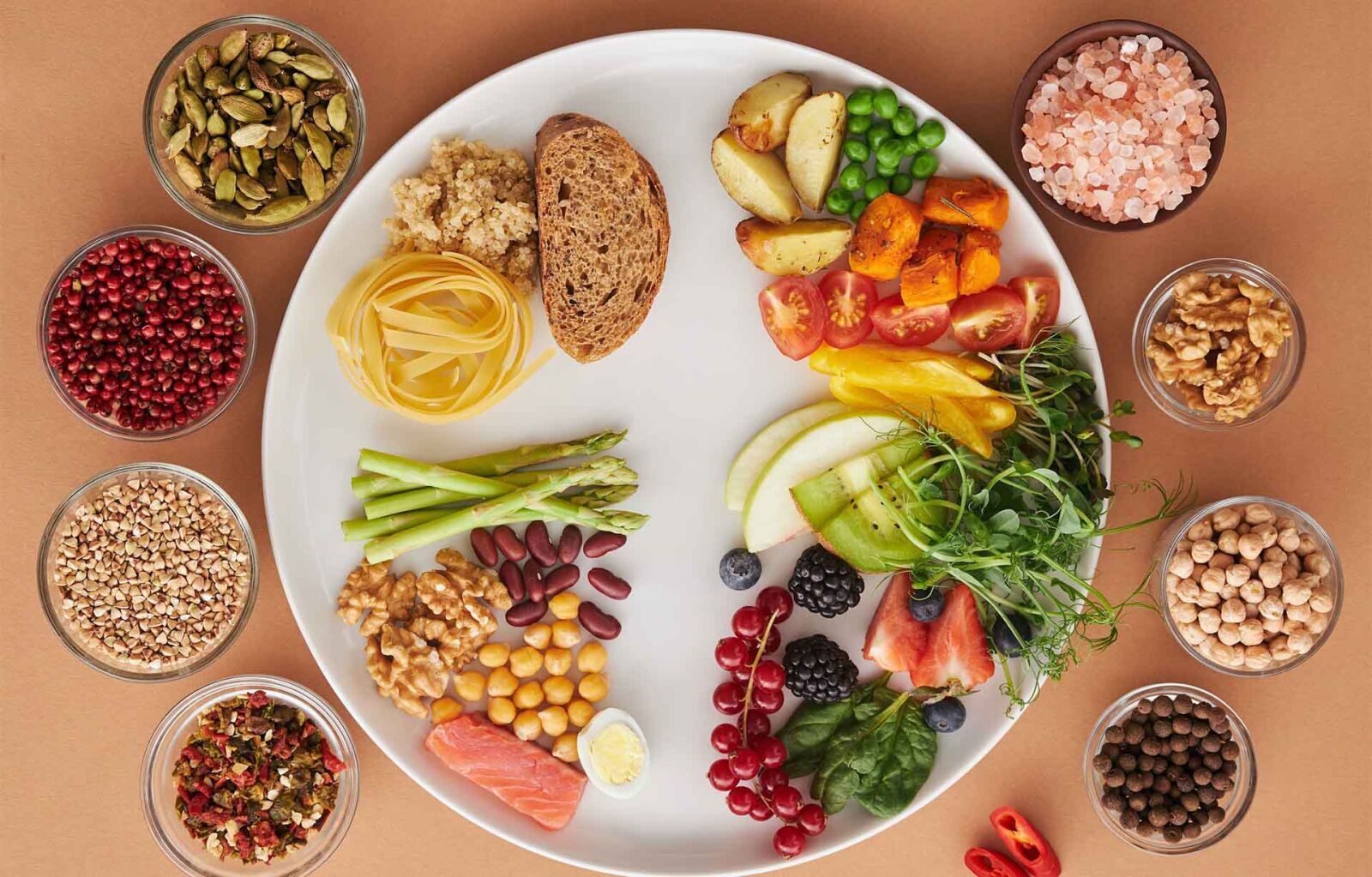
Food has a direct impact on how the body works at all levels. Macronutrients give us energy and structure, whereas micronutrients control things like immunity, nerve signaling, and hormone production. When you eat a balanced diet, your body works well, which lowers your risk of getting tired, inflamed, or sick with a long-term illness.
Nutrition has a big effect on mental and emotional health, in addition to physical health. Some nutrients help make neurotransmitters, which can change your mood, focus, and how you deal with stress. Keeping your blood sugar stable helps you control your emotions, and having good digestion helps you think clearly and be strong. Wellbeing nutrition stresses this connection and encourages eating choices that are good for both the body and the mind.
How people eat also has an effect on their emotional health. Eating too quickly, eating when you’re upset, and always being on a diet can all cause stress and unhappiness. Mindful eating, on the other hand, helps you be aware, grateful, and appreciate your food. People can have a more tranquil and intuitive connection with food by paying attention to their hunger cues, flavors, and fullness.
The Importance of Balance in Healthy Eating
One of the most important ideas behind healthy eating is balance. It doesn’t require perfection or strict restrictions; instead, it encourages diversity and constancy. Balanced nutrition entails eating a variety of meals that give you the right amounts of carbohydrates, proteins, fats, vitamins, and minerals.
When they come from healthy foods, carbohydrates give you energy and help your brain work. Proteins help repair muscles, boost the immune system, and keep hormones in check. Good fats help cells stay strong, absorb nutrients, and keep the brain healthy. Vitamins and minerals are examples of micronutrients that speed up several biological activities. A balanced approach makes sure that none of these parts are ignored or given too much weight.
Eating patterns are also part of balance. Regular meals help keep your energy levels stable and stop you from being too hungry or eating too much. It is just as vital to be happy as it is to be satisfied. Making room for cultural foods and personal tastes makes healthy eating realistic and fun for the long run.
Mindful Eating: The Key to Well-Being
Mindful eating is an important part of healthy eating since it connects food with consciousness. It means being fully aware of the whole process of eating, from getting ready to digesting. This technique helps people slow down, pay attention to the tastes and textures of food, and learn to recognize when they are hungry and full.
Eating attentively can often help with digestion. The body relaxes, which helps it absorb nutrients. People are less inclined to overeat when they are satiated with the right amount of food. Mindful eating also helps people figure out what makes them want to eat when they’re upset, so they can respond with kindness instead of condemnation.
You don’t need to conduct complicated rituals to add mindfulness to your daily meals. Eating without distractions, chewing thoroughly, and saying thank you are all simple behaviors that can change the way you eat. This knowledge makes the link between what you eat and how you feel better over time.
Why Whole and Minimally Processed Foods Are Important

Whole and minimally processed foods are the most important parts of a healthy diet. These meals are more like how they are in nature, and they usually have more nutrients and other good things. They have fiber, antioxidants, and phytonutrients that help digestion, immunity, and cell health.
Foods that are highly processed sometimes have too much sugar, bad fats, and artificial additives that can throw off the balance of the body’s metabolism. It’s okay to treat yourself every now and again, but eating a lot of processed meals may cause inflammation, energy swings, and lower vitality.
Eating whole foods makes it easier to eat in a more natural way. Natural flavors and sensations make you more aware of what you’re eating, and nutrient density keeps your energy up. This approach fits with the bigger goals of wellness nutrition, which are to feed the body without putting it under too much stress.
The Role of Gut Health in Wellbeing
The health of your gut is very important for your overall health because the digestive system is so important. The gut is in charge of more than just digesting. It also helps the immune system and makes neurotransmitters. A healthy gut environment helps the body absorb nutrients and keeps harmful germs at bay.
What you eat has a big effect on your gut health. Foods high in fiber help good bacteria grow, and foods with a lot of different nutrients help keep the balance of microbes. Water is also important for digestion and moving nutrients around. People often feel better, have more energy, and have stronger immune systems when their gut is working effectively.
When your gut health is off, you could feel tired, uncomfortable, or mentally foggy. Wellbeing nutrition addresses these challenges at their source by putting gut-friendly eating habits first. This strengthens the link between digestion and overall health.
Nutrition for Mental and Emotional Health
Nutrition has a big effect on both mental and emotional wellness. The brain needs a constant supply of nutrients to control mood, focus, and how it reacts to stress. Changes in blood sugar, not getting enough nutrients, and not drinking enough water can all make you feel less stable.
Wellbeing nutrition stresses the need of eating regular, balanced meals to keep your energy up and your mind clear. Nutrients that help the brain work better also help with attention and emotional strength. The psychological side of eating is just as crucial. Taking guilt and anxiety out of dietary decisions helps you think more clearly and lowers your stress levels.
Food can also make you feel better and bring you closer to others. Sharing meals, observing ethnic traditions, and eating favorite cuisine can all make you feel better. When you approach these events with balance and understanding, they can improve your health instead of hurting it.
Things about Your lifestyle that Help Your Health and Nutrition
Nutrition is not a separate thing. How the body uses and reacts to food is affected by sleep, movement, stress management, and everyday routines. Wellbeing nutrition recognizes these interactions and promotes a comprehensive perspective on health.
Getting enough sleep helps keep your metabolism and hunger in check. Exercise helps the body use nutrients better and is good for mental health. Stress management techniques mitigate emotional eating and gastrointestinal issues. When lifestyle decisions and food choices are in sync, the benefits of healthy eating are even greater.
Being consistent is more important than being intense. Making little, long-lasting adjustments to your daily life is the best way to get results. This method moves the focus away from quick solutions and toward long-term health and balance.
Cultural and Individual Viewpoints on Nutrition
One of the best things about wellness nutrition is that it respects different cultures and people’s tastes. Food is very much a part of culture, identity, and community. A holistic approach respects these links and helps people stay healthy.
Rather than imposing uniform dietary rules, wellbeing nutrition encourages individuals to adapt principles to their own context. Traditional foods frequently include balanced mixes of nutrients and cooking methods that help digestion. People can stay connected to their culture and promote their health by embracing these activities.
Personal choices and moral values also matter. Wellbeing nutrition is a flexible system that lets people make varied food choices without judging them. It works for people who follow a certain diet or who like a lot of different foods.
The long-term Benefits of Eating Well
Well-being nutrition has long-term benefits that go beyond only physical health. Regular meals help keep your energy up, your mind clear, and your emotions in check. Over time, people may become more resilient, better able to handle stress, and more in touch with their body.
This method also breaks the loop of stringent diets that lead to too much eating and not enough eating. Wellbeing nutrition helps people have a better connection with food by helping them trust their hunger and fullness signals. This change in the mind can be just as powerful as changes in the body.
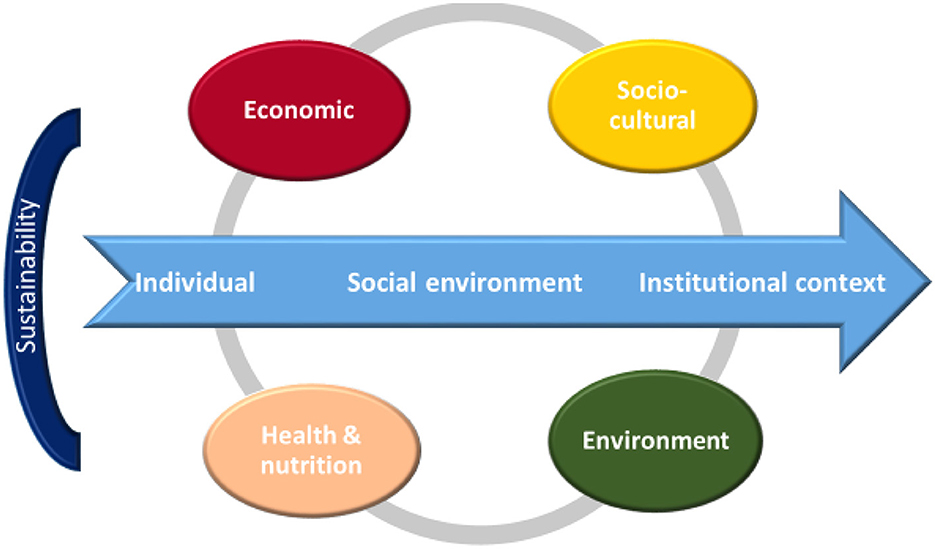
From a larger point of view, nutrition for health promotes sustainability. Eating in a balanced and mindful way is good for your health and helps you have a more conscious relationship with food systems and the environment.
Putting Wellbeing Nutrition into Your Daily Life
You don’t have to make big adjustments to eat healthy for your health. It starts with being conscious and having a goal. Paying attention to how foods affect the body, making sure to eat at regular times, and being flexible are all good places to start.
Small changes work better than big ones. Eating more whole foods, being careful of what you eat, and making sure your nutrition fits with your lifestyle are all important for long-term health. These decisions will become second nature over time.
The core principles of wellness nutrition are consistency, compassion, and curiosity. People can have a healthy connection with food that supports health at every level by paying attention to their bodies and responding with care.
Conclusion
As more and more people learn about holistic health, wellness diet is becoming more and more important. People are shifting away from fast cures and toward long-term solutions that respect individuality and balance. New discoveries in nutritional science keep showing how diet, mental health, and long-term health are all linked.
This changing view supports working together between old knowledge and new research. It gives people the power to make smart decisions based on their own experiences. Wellbeing nutrition is not simply a way of eating; it is also a way of living well.
Read More:- What Is Balanced Diet? Meaning, Importance and Daily Benefits